


Are you considering purchasing an excavator from China but don’t know where to start? Whether you’re comparing suppliers from different countries or focusing on Chinese manufacturers, understanding the purchasing and shipping process is key to making a cost-effective and reliable decision. In this article, we’ll provide you with a comprehensive introduction to the process of purchasing an excavator from China. Please read carefully.
1. Introduction
China is one of the world’s most important excavator production bases. With competitive pricing, a comprehensive and diverse product line, and robust manufacturing capabilities, Chinese excavators are highly attractive to global contractors, dealers, and fleet managers. As more and more buyers choose to import excavators from China, import and export strategies are constantly evolving and being optimized. To ensure a smooth procurement process, you need a thorough understanding of the process.
This article will provide a step-by-step guide to the complete process of purchasing and shipping excavators from China, highlighting the advantages, potential challenges, and practical strategies to help you complete the transaction efficiently.
2. Why Buy Excavators from China?
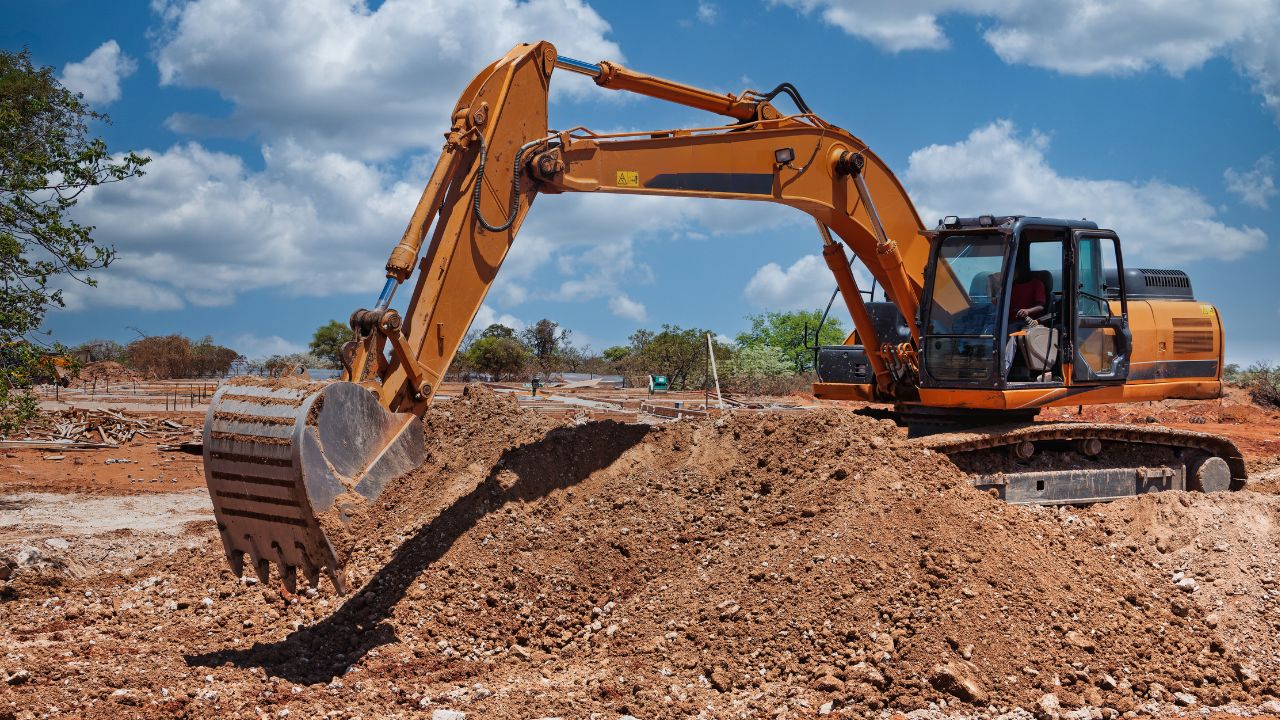
2.1 Key Advantages
- Cost-Effectiveness: Compared to other markets, purchasing excavators from China means lower production costs and more competitive pricing.
- Wide Selection: From small mini excavators to large crawler excavators, the Chinese excavator market offers a wide range of brands, models, and configurations, allowing you to choose from a wide range of options based on your needs.
- Parts and Service Availability: Most Chinese excavator suppliers provide spare parts packages and after-sales support, ensuring worry-free operation.
- Durability and Performance: Chinese excavators are increasingly recognized for their rugged design and reliable performance, resulting in a longer service life.
- Environmentally Friendly Choice: With increasingly stringent global regulations, Chinese excavator manufacturers now offer models that meet CE or OPA certification standards.
3.Excavator Procurement and Shipping Process
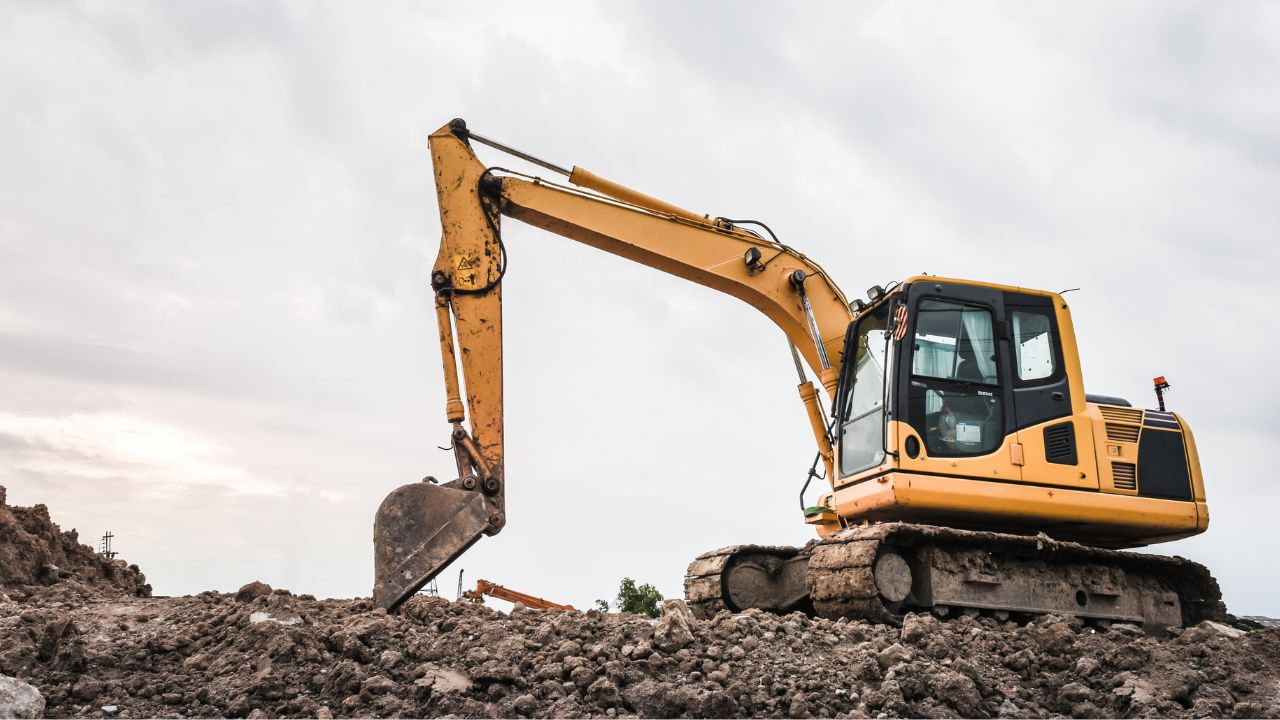
3.1 Finding a Reliable Supplier
Based on your needs and specific requirements, identify an excavator supplier in China that best matches your project and negotiate mutually acceptable shipping terms.
3.2 Using Secure Payment Methods
For the security of your funds, avoid high-risk transfers. Consider using letters of credit, escrow services, or installment payments to protect both parties.
3.3 Arranging Transportation and Logistics
Select the appropriate shipping method based on the size of the excavator:
- Full Container Load (FCL): Suitable for smaller or disassembled machines.
- Roll-On/Roll-Off (Ro-Ro): Suitable for assembled, ready-to-load machines.
- Bulk Cargo: Suitable for oversized cargo that exceeds the container’s limits.
3.4 Customs and Import Compliance
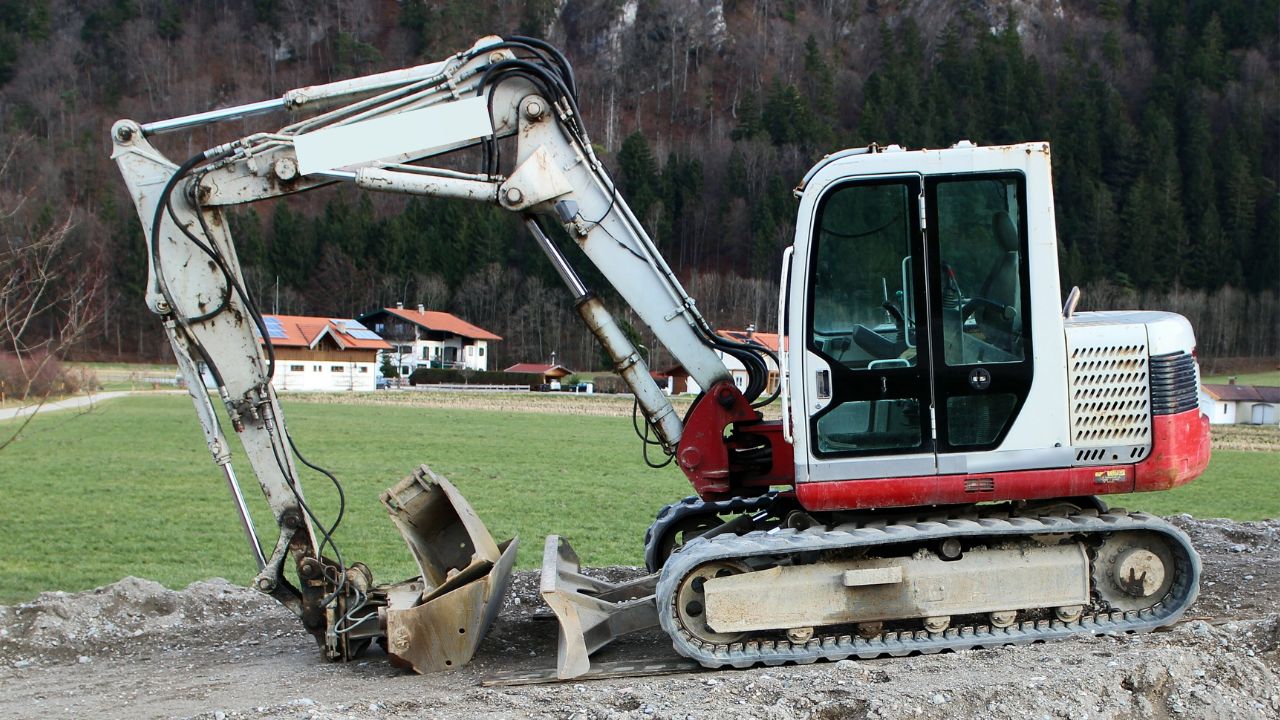
Successful importing requires more than arranging transport—it also depends on strict compliance with customs and regulatory requirements. Ignoring these details can lead to costly delays, penalties, or even shipment rejection.
- Tariffs and VAT: Duties and consumption taxes are typically calculated based on the HS Code, such as 8429.52 for excavators. However, classification may vary by country. Importers should confirm the correct HS Code with a licensed customs broker in their target market to avoid unexpected charges or disputes.
- Customs Clearance and Documentation: Efficient clearance depends on accurate and complete paperwork, including commercial invoices, packing lists, and certificates of origin. Partnering with certified freight forwarders or brokers (e.g., FIATA members) ensures declarations are submitted correctly and on time, reducing the risk of demurrage or detention fees.
- Environmental and Safety Standards: Destination countries enforce strict rules on emissions and operational safety. For instance, the U.S. requires compliance with EPA Tier 4 standards, while the EU applies Euro Stage V regulations. Buyers should request supplier test reports or third-party certifications (such as SGS or TÜV) to verify compliance before shipment.
By proactively managing these compliance areas, you not only streamline customs clearance but also secure predictable costs, safeguard project timelines, and protect long-term equipment reliability.
4. Shipping Excavators from China
4.1 Main Shipping Options
| Shipping Method | Best For | Advantages | Disadvantages |
| FCL (Full Container Load) | Small or disassembled excavators | Lower handling risks, secure packaging | Limited by container size |
| Ro-Ro (Roll-On/Roll-Off) | Fully assembled, self-propelled units | Quick loading/unloading, lower disassembly cost | Not available at all ports |
| Breakbulk | Oversized or heavy excavators | Suitable for huge machines | Higher port charges, longer handling time |
| LCL (Less than Container Load) | Spare parts shipments | Cost-effective for small cargo | Slower transit, higher risk of damage |
4.2 Customs and Import Compliance
Successful importing implies strict observance of customs and regulatory procedures:
- Tariffs and VAT: Taxes are computed on the HS Code. Classifications can vary from country to country, so always check with an authorized customs broker to ensure no conflict.
- Customs Clearance and Documents: Commercial invoice, packing list, and certificate of origin are needed. Licensed brokers are used to ensure on-time and correct filing.
- Environmental and Safety Requirements: The U.S. needs EPA Tier 4 levels, the EU requires Euro Stage V levels, and others require local regulations. In any case, always provide supplier test reports or third-party compliance documentation before shipping.
5. Challenges and How to Overcome
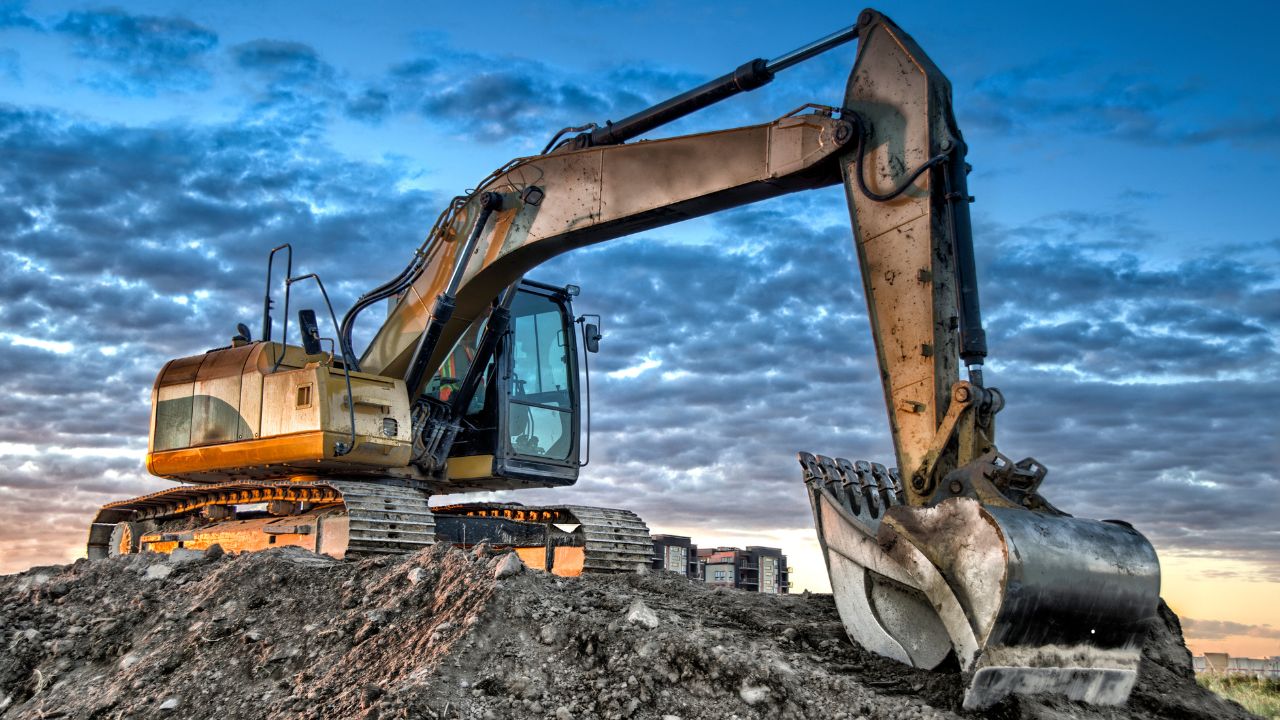
- International Shipping Risks: Delays or damage can occur—insurance and reliable freight forwarders are essential.
- Import Complexity: Customs paperwork, duties, and inspections can slow clearance—work with an experienced broker.
- Language Barriers: Miscommunication can affect orders—use bilingual contracts or local agents.
- Environmental Regulations: Ensure machines meet emissions standards in your country before purchase.
6. Total Shipping Cost
When calculating the cost of shipping your excavator from China, consider not only the price of the excavator itself, but also:
- Ocean and insurance costs;
- Import duties and tariffs;
- Customs clearance costs;
- Inland transportation and storage costs;
- Potential demurrage or detention charges
7. FAQ
7.1Is It Advisable to Include Arbitration or Governing Law Clauses for Cross-Border Contracts?
Yes. Including governing law and arbitration clauses helps define which country’s laws apply and how disputes are resolved. This reduces legal uncertainty and speeds up conflict resolution. Common choices for B2B trade include Singapore, Hong Kong, or English law, often with arbitration under SIAC or HKIAC rules. Always ensure contracts are bilingual and reviewed by legal professionals familiar with international trade.
7.2 How Does Importing Excavators from China Impact the Total Cost of Ownership?
Importing from China often reduces upfront purchase costs compared to local or Western brands. However, TCO also depends on shipping, customs duties, spare parts availability, fuel efficiency, excavator maintenance, and potential downtime. Carefully evaluating these factors ensures that lower purchase prices translate into real cost savings over the machine’s lifecycle.
7.3 How Can We Ensure High-Value Excavators During Sea Transport?
Purchase marine cargo insurance that covers “all risks” or specified perils, and ensure the policy matches your shipment terms (FOB, CIF, or others). Working with a reputable insurer familiar with heavy machinery reduces financial risk in case of damage, theft, or loss during transit.
8.Conclusion
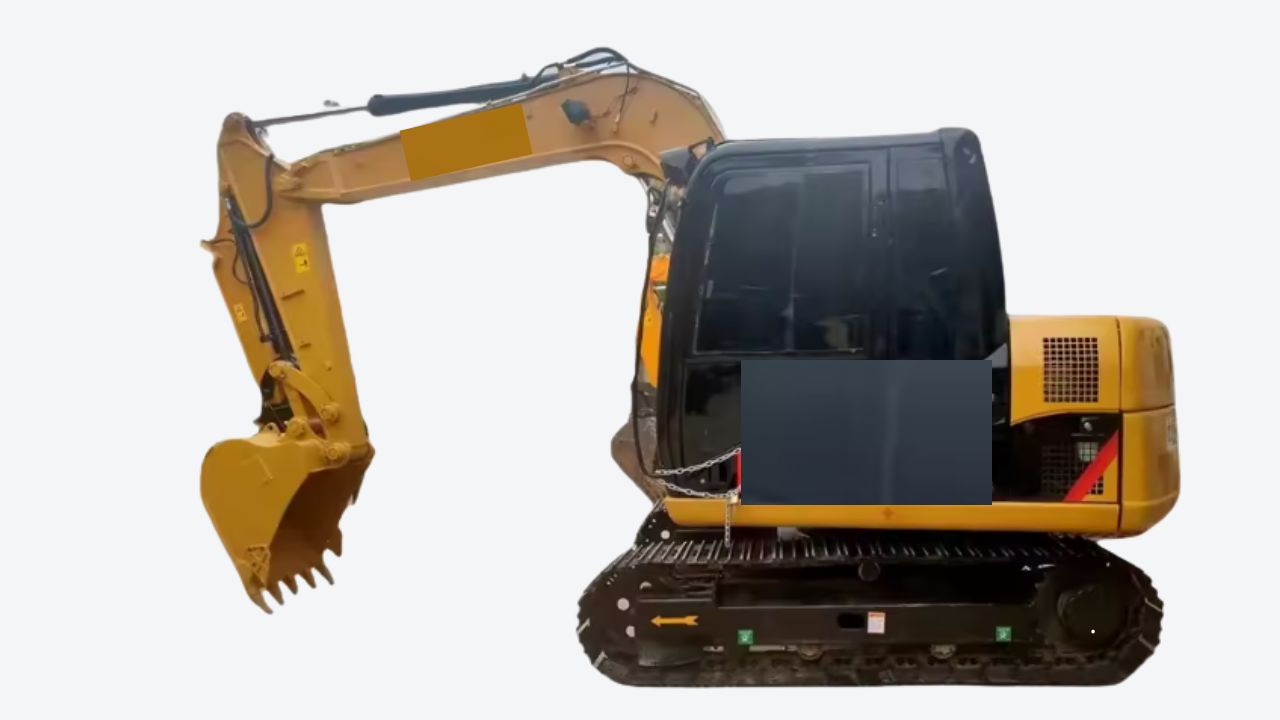
Understanding the procurement and shipping process helps you cut costs, minimize risks, and secure a reliable supply chain. Buying excavators from China gives you competitive advantages, and with Bansar’s professional team handling logistics and compliance, your trade becomes smooth, safe, and worry-free.

