


Among all the freight transportation types, ocean sea freight is considered the most affordable option. However, it can be expensive if you don’t utilize it the right way. Many businesses depend on sea freight to move their goods across the world. But, high costs start eating the profits. This is why you should find ways to reduce these costs.
In this article, we will discuss some factors affecting sea freight. You will also learn seven practical tips to reduce ocean sea freight expenses.
What Is Ocean Freight?
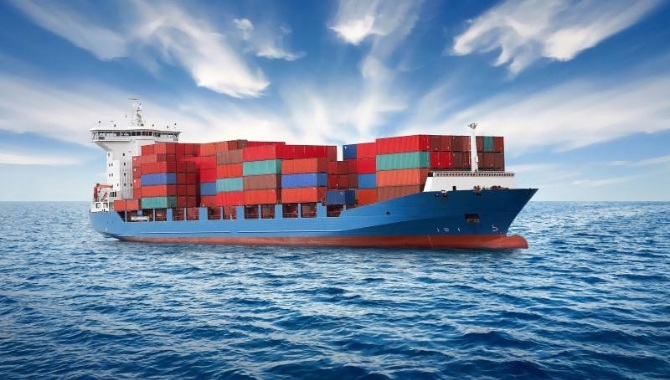
Ocean freight is moving goods from one place to another by sea route. It is the cheapest and most economical way of transporting the cargo. However, it takes a longer time to transport your shipment to the destination.
Facts:
- It is typically the transportation of goods of weight greater than 100kg.
- Approximately 90% of cargo is transported through ocean freight.
Factors Affecting The Ocean Freight
Some factors influence the rate and time of ocean freight. These are:
1. Weather
The freight forwarders or carriers might increase the cost of ocean freight due to poor weather conditions. In the winter season, the chances of storms or fog are greater, therefore chances of an increase in shipment cost are also greater. It is recommended to avoid shipping your goods in bad climate conditions.
2. Shipment Amount
The amount of the cargo also impacts the cost of freight. The greater amount of cargo puts more weight on the ship which leads to more fuel consumption. In addition, the costs of handling goods also increase the overall cost.
Moreover, shipping hazardous material requires special care during transport which leads to higher shipment costs.
3. Distance
The greater the distance from the root terminal to the final port, the longer time is needed to transport the cargo. The longer route also becomes the reason for higher freight costs due to the large fuel required to reach the destination. Therefore, the journey of your cargo also decides the cost & time of the shipment.
4. Delivery Rate
If you need urgent delivery then you have to pay through your nose. The ocean freight cost also depends on the delivery time. Therefore, you have to be flexible because these types of things take time to complete.
Note: The sea freight takes about one to two months to deliver your goods to another country.
5. Fuel Prices
Fuel prices fluctuate due to global economic conditions and may increase from time to time. When the cost of fuel increases, it affects not only freight forwarders but also all the ways of transporting humans and goods. This will indirectly affect the bank balance of businesses and the common man.
6. Service Charges
Except for freight charges, there are also other service charges like cargo handling and port entrance costs. These extra charges depend on the source and target country. There are also some other taxes you have to pay for your transport.
7 Tips To Reduce Ocean Sea Freight Costs
You can follow our tips and best practices to reduce the ocean shipping cost.
1. Compare Rates Of Different Carriers
The most crucial thing in freight forwarding is market analysis. Reach out to different service providers, negotiate with them, and get their quotes. During negotiation, tell them about the nature of your business and products. Also, ask them about their services, service fees, and discounts.
Check their credibility through different platforms before making a deal. Get quotes from different companies and compare them. Choose the best option that is well-lined with your budget.
2. Avoid Shipping In Peak Seasons
Peak seasons are the time of year when the product is in high demand. At this time of year, the shipping costs may increase up to 40-50%. This period usually starts in August and ends in November. This is the time when a specific event such as Christmas or Chinese New Year is about to happen.
Talk to the companies or shippers to ship in advance to keep your budget in hand. Negotiate with them before peak time and make a plan of how to cope with it. Usually, it is suggested to avoid shipping goods during this time of year.
3. Optimize Your Freight Loading
Optimizing the loading and packaging of the cargo can reduce your ocean freight cost. You should design your package according to the specific dimensions of the products. If any space is left in containers or packaging boxes it will cost you more than the optimized packaging.
Fill the empty spaces and maximize the weight on the container. Try to remove air from the packages and arrange them to avoid empty spaces.
If you have heavy machinery, it is recommended to disassemble it into its parts and transport those parts to the final port. It is relatively easy and more economical than transporting the assembled machinery.
4. Choose Right Shipping Routes
Shipping routes play an important role in determining your cost of ocean freight. Avoiding busy routes and choosing direct paths can cut your cost of shipment. In addition, select those routes that you don’t have to stop frequently at different ports.
Moreover, choosing the right port is also necessary as it can reduce ocean freight costs and time.
For example, if the path to the main port is busy, you have to play wise and move toward another port near the main port. The way to this port is not very congested and your goods are transported in less time and money.
5. Use Consolidated Shipments
The term “consolidate” means “combine”. Consolidated shipment includes the combination of several shipments into one larger shipment. Using this approach helps transport your cargo at one time rather than at multiple times.
It will lessen your shipment cost by combining the smaller shipments and converting them into larger ones. This approach is more efficient as it cuts the costs of transporting small shipments over and over again. It will also accelerate the process of delivery.
6. Use FCL Shipping Mode
Full Container Load (FCL) is the mode of shipping goods where the entire container is specified for the goods of only one shipper. Here, multiple shipments from multiple shippers are not combined, instead the container is filled with only one large shipment.
This approach is useful for transporting heavy machinery and industrial equipment. Because all of the machinery is easily adjustable in one container. There is also less handling of goods required which reduces the cost of terminal handling.
FCL mode has a lower risk of damage because of a single shipment.
7. Build Long Term Relationship
Choose a reliable freight forwarder and build a long-term relationship. A trusted and experienced freight forwarder company can solve many problems for you with their knowledge. They will manage freight booking, cargo transfer to the ports and the warehouse, and customs processing.
Creating a healthy relationship with a single company and becoming a regular customer can help you in monetary terms. You will get discounts on shipping rates, handling fees, and other logistics services by building long-term relations and communicating with clearance.
FAQs
What Is The Formula For Ocean Freight?
The cost of ocean freight is calculated by multiplying the weight of the cargo with the rate of cargo per unit of weight. Some additional costs such as port fees, documentation fees, THC, and bunker adjustment factors are also included in the whole shipping price. The generalized formula is:
Ocean Freight Cost = (Base Rate x Volume/Weight) + Additional Charges
The freight forwarder will tell you the exact cost of shipping.
Which Factors Influence Ocean Freight Rate?
Several factors influence the rate of ocean freight but the main ones include climate conditions, fluctuations in fuel prices, distance to the destination, and the amount of cargo.
How Do You Calculate LCL Ocean Freight?
The LCL freight is usually measured in volume by weight ratio. You can use the following steps to calculate it:
- Calculate the volume of the shipment by multiplying the length, width, and height of the shipment.
- Now multiply the answer by the total number of packages.
- Now multiply that value by the quotation you get per weight measure from the freight forwarder.
In this way, you can calculate (Less Container Loading) LCL ocean freight
What Is The Difference Between Ocean Freight & Sea Freight?
Both terms are used for the same purpose of cargo shipping but there is a minute difference in that ocean freight is used for longer distance routes by using large ships. However, sea freight is used for transporting products to small-distance ports with relatively small ships.
Why Is Sea Freight The Best Option?
Ocean freight is relatively economical and cost-effective than other modes of transport such as by air or road. It takes less cost per unit but requires a longer time to reach the destination.
Is Shipping Through The Ocean Safe?
Usually, it is safe to ship your goods through the ocean. However, at some times climate threats such as hurricanes and tropical cyclones can cause serious damage to the ship. Therefore, ships made from special hard materials are used in these situations to avoid damage.
Summary
So, we can say that reducing ocean sea freight costs is a smart move for those businesses who are involved in global trade. Although this method of shipping is usually economical, there are still opportunities to save even more.
If you carefully consider factors like timing, route efficiency & packaging, you can significantly cut costs and make your supply chain more efficient.

