


In international trade, understanding FOB Incoterms can make your business more stable, cost-effective, and efficient.
For you, FOB provides a clear delineation of responsibilities and costs. This not only helps reduce shipping expenses but also allows you to demonstrate greater professionalism and control when dealing with clients or partners. If you want to learn more about FOB Incoterms, read this article.
1. Incoterms FOB Meaning
1.1 Incoterms
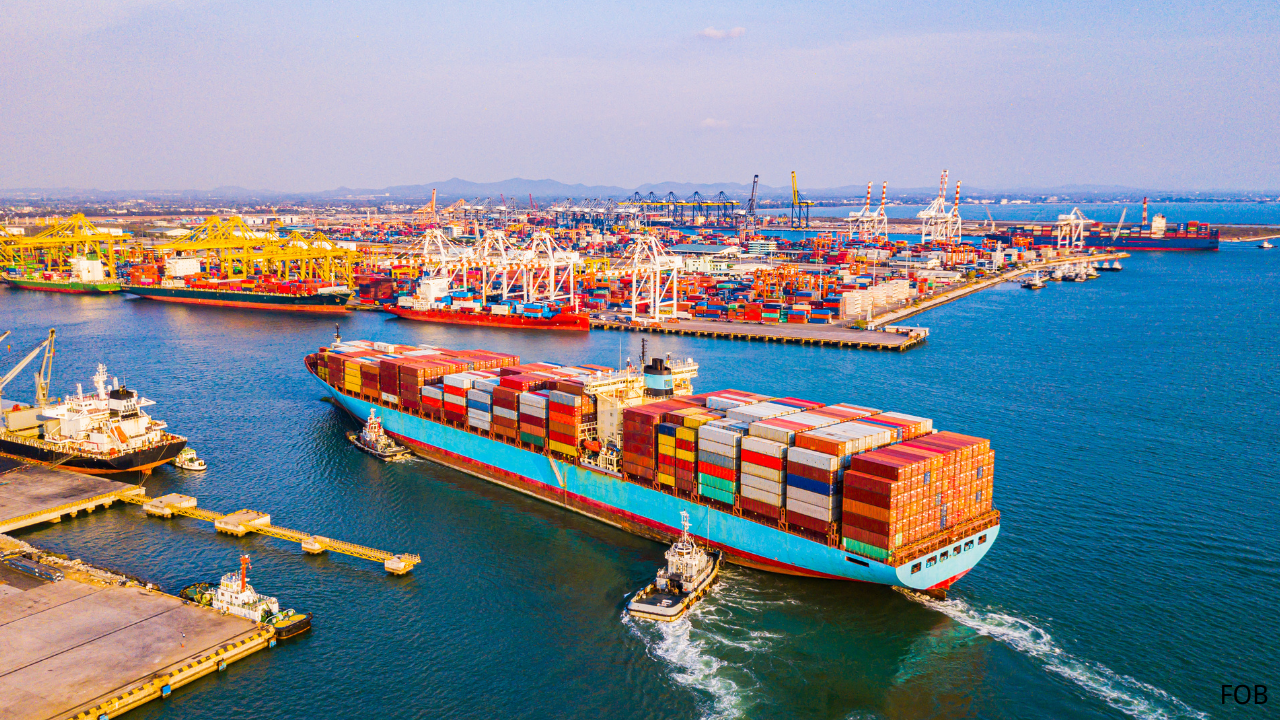
Incoterms are globally accepted rules drawn up by the International Chamber of Commerce (ICC) that regulate the buyer and seller obligations for the transportation of goods and cover costs, risks, and shipping.
These laws dictate who pays for each phase within the transportation continuum, at what point loss or damage for goods is borne by the buyer or seller, and who should be responsible for import and export customs clearance and ancillary concerns.
1.2 FOB
FOB (Free on Board) is an Incoterm rule where the seller is responsible for delivering goods on board the vessel nominated by the buyer at the named port of shipment, including handling export procedures and costs. Once the goods are loaded, risk and responsibility transfer to the buyer, who then becomes responsible for all costs and risks of transit, including freight, unloading, and import procedures.
2. Seller’s Obligations and Buyer’s Obligations in FOB Incoterms

Example: Shipping goods from A to B using FOB Incoterms:
- Party A (Seller) transports goods from the factory to the port in Area A—Party A bears costs and responsibility
- Goods undergo handling at port in Area A—Party A bears costs and responsibility
- Goods pass through customs in Area A—Party A bears costs and responsibility
- Goods loaded onto vessel/container – Party B (Buyer) bears costs and responsibility
- Goods arrive at Party B and undergo handling at Port B – Party B bears costs and responsibility
- Goods transported to Party B’s warehouse – Party B bears costs and responsibility
2.1 Seller’s Obligations
- Goods, Commercial Invoice, and Documents
- Export Packaging and Marking
- Export License and Customs Clearance
- Pre-shipment and Delivery Procedures
- Loading Costs
- Delivery on Board at the Named Port of Shipment
- Proof of Delivery
- Pre-Shipment Inspection and Costs
2.2 Buyer’s Obligations
- Payment of the Purchase Price as Stipulated in the Sales Contract
- Loading of Goods onto Vessel/Container
- Unloading and Onward Transportation
- Import Procedures
- Customs Duties
- Pre-Shipment Inspection and Costs (for Import Clearance)
3. Differences Between FOB and Other Incoterms(FOB vs Incoterms)
Incoterms 2020 categorizes terms by mode of transport into two groups:
Applicable to any mode of transport:
- EXW (Ex Works)
- FCA (Free Carrier)
- CPT (Carriage Paid To)
- CIP (Carriage and Insurance Paid To)
- DAP (Delivered At Place)
- DPU (Delivered at Place Unloaded)
- DDP (Delivered Duty Paid)
Applicable only to sea and inland waterway transport:
- FAS (Free Alongside Ship)
- FOB (Free On Board)
- CFR (Cost and Freight)
- CIF (Cost, Insurance and Freight)
Below, we briefly outline the differences between FOB, CIF, and EXW.
3.1 Compared with CIF: Differences in Insurance Liability
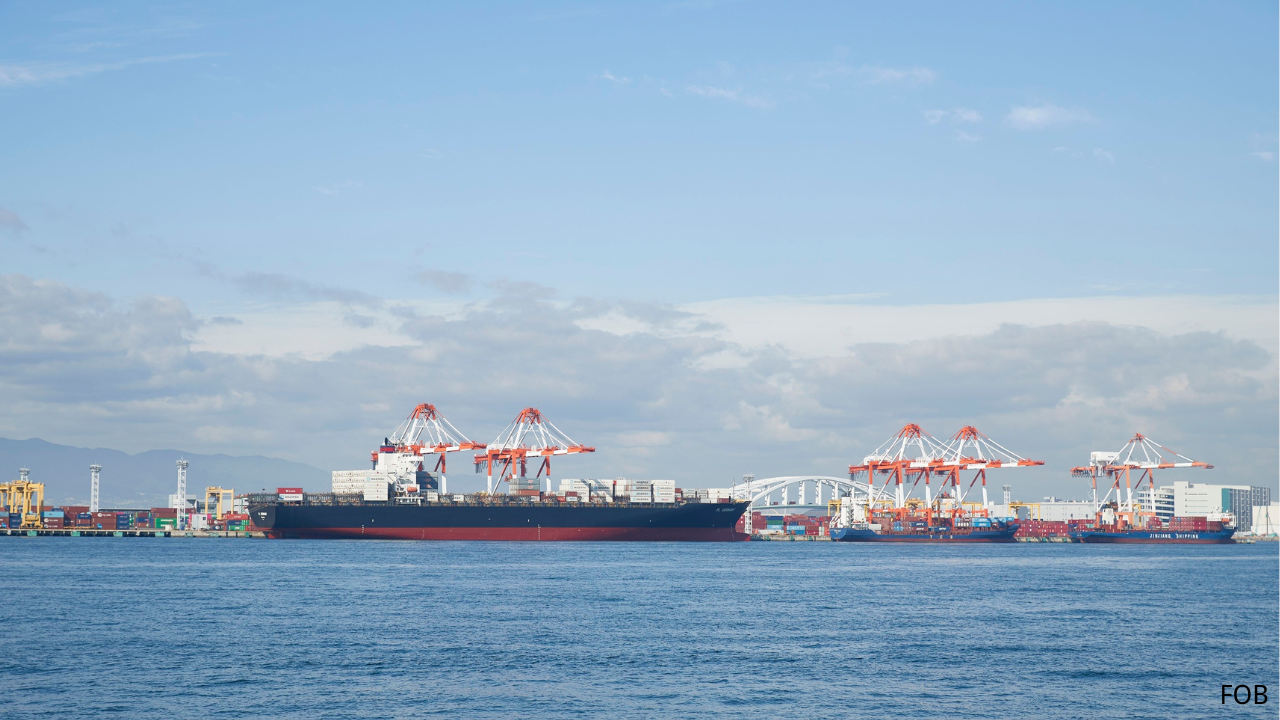
Under FOB terms, the seller is only responsible for delivering the goods to the vessel at the port of shipment. Subsequent transportation risks, including insurance liability, are borne by the buyer.
Under CIF (Cost, Insurance, and Freight) terms, the seller not only covers transportation costs to the port of destination but also purchases minimum insurance coverage for the goods during transit.
Therefore, the primary distinction between FOB and CIF lies in insurance responsibility: under FOB, the buyer arranges insurance, while under CIF, the seller arranges insurance.
3.2 Compared with Exw: Differences in the Seller’s Liability
EXW (Ex Works) imposes the least responsibility on the seller, requiring only that goods be made available at the seller’s premises. Nearly all costs and risks associated with transportation are borne by the buyer.
In contrast, FOB requires the seller to handle all matters concerning the goods until they are loaded onto the vessel at the port of shipment, including additional obligations such as export customs clearance and port loading/unloading—responsibilities not required under EXW terms.
4. FOB Destination or FOB Shipping Point

The Free on Board (FOB) price is further subdivided into FOB destination price or FOB shipping point price, which essentially determines whether the buyer or seller bears the majority of transportation costs.
4.1 FOB Shipping Point
Responsibility and Risk: The seller is responsible for delivering the goods to the port of shipment and loading them onto the designated vessel. After loading, all risks and costs (including ocean freight) are borne by the buyer.
Advantages: The buyer has greater control over the transportation process, but may need to offer a lower purchase price to compensate for the additional risk assumed.
Suitable Scenarios: Ideal for buyers capable of handling international logistics and managing transportation risks.
4.2. FOB Destination
Responsibility and Risk: The seller bears all risks and costs throughout the shipment until the goods arrive at the buyer’s designated location, at which point responsibility transfers to the buyer.
Advantages: Buyers face lower risks during transit and enjoy greater security, but may need to pay a higher price, potentially impacting cash flow.
Suitable Scenarios: Ideal for buyers seeking streamlined processes, reduced risk, and full seller responsibility for transportation.
4.3 How to Choose
Assess Risk Tolerance: Buyers with strong risk management capabilities may opt for FOB Shipment Point.
Evaluate Logistics Control Needs: Buyers desiring full control over the transportation process should choose FOB Destination.
Clarify the Agreement: The trade contract must explicitly state whether it is FOB Shipment Point or FOB Destination, clearly defining the division of responsibilities between both parties to avoid future disputes.
5. FOT vs FOB
5.1 FOT (Free On Truck)
Refers to delivery by truck transport, applicable to land transportation. The seller is responsible for placing the goods onto the designated truck, with the transfer of risk and cost subject to contractual agreement.
5.2 FOB (Free On Board)
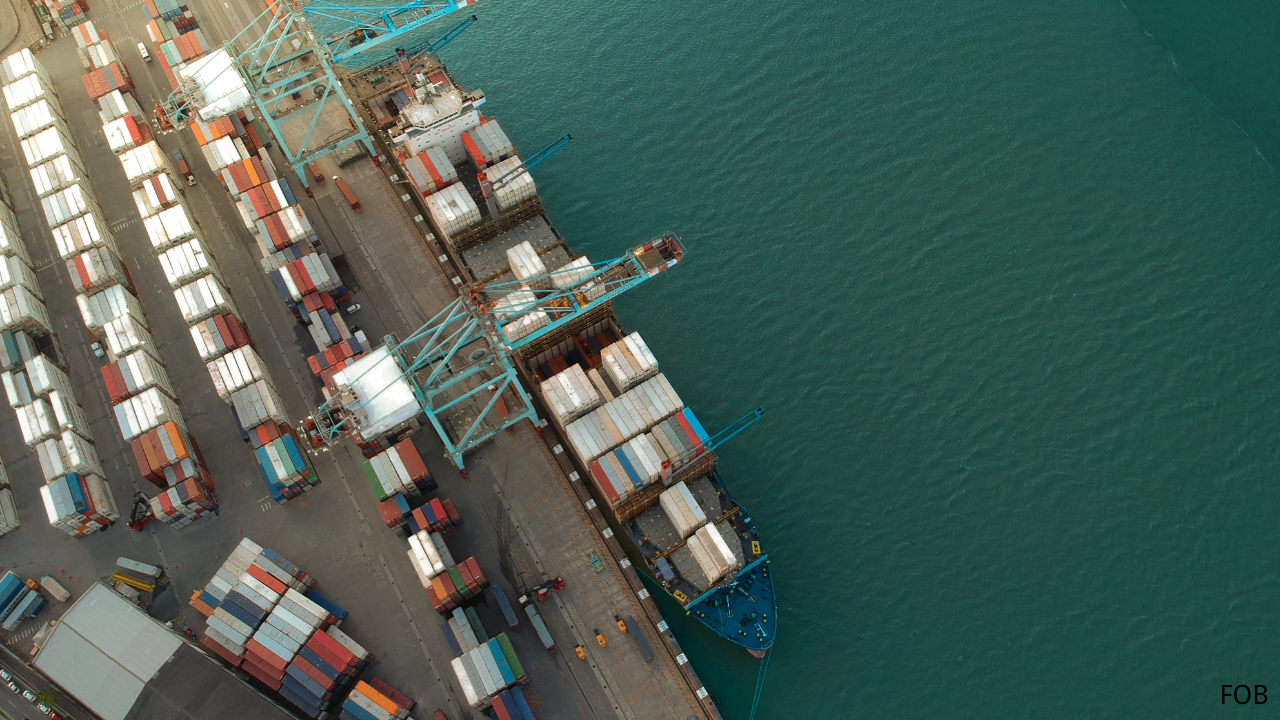
An international trade term applicable to maritime or inland waterway transport. The seller is responsible for delivering the goods to the port of shipment and loading them onto the designated vessel. After loading, the risk and cost of the goods are borne by the buyer.
6. Conclusion
FOB enhances transparency and efficiency in international trade by clearly defining responsibilities and risks, providing sellers and buyers with a fair and actionable delivery mechanism. It is an exceptionally practical delivery term in maritime trade.

