


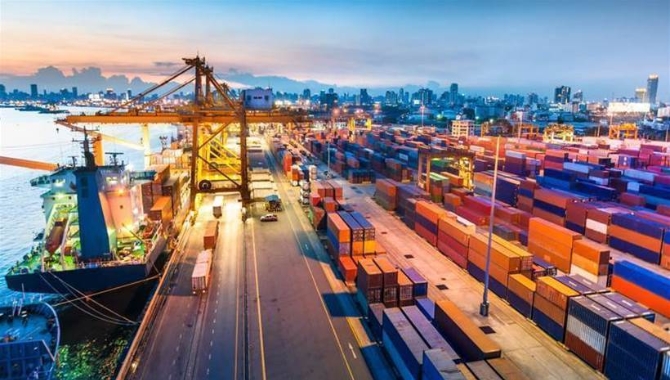
Stevedores, also known as longshoremen or dockworkers, are fundamental to global logistics and trade. Taking a central role in port operations internationally, they are tasked with the loading and unloading of cargo. Let’s examine their contributions and their broader impact on global business and consumer populations.
The Functions of Stevedores

Stevedores work in a number of locations, including ports, storage facilities, and container terminals.
Depending on the kind of material they handle—vehicles, bulk commodities like coal or grain—they carry out distinct responsibilities. Typically, their main responsibility is to safely and effectively unload cargo from ships. Among their principal duties are the following:
Organizing and Packing Cargo
Stevedores organize and stowage cargo on board ships, choosing the optimal location for cargo to preserve stability and safety.
The Process of Loading and Unloading

When a ship is ready for transport, stevedores use elevators and other large machinery to load and unload cargo.
Inspection of Cargo
Stevedores make sure the goods are correctly wrapped and labeled before loading. Additionally, they check everything when it gets there to make sure there is no damage during shipment.
To Deal with Safety Protocols
For stevedores, keeping their workplace safe and secure is a major duty. This entails following safety procedures and making sure all equipment is operating as intended.
Stevedores in Global Trade – Challenges

Stevedores perform a key role in the supply chain, working continuously in shifts to quickly and safely load and unload cargo from ships. This round-the-clock operation is vital for ensuring the flow of goods from producers to consumers.
Operating 24/7, stevedores adhere to shift schedules to ensure continuous dock operations whenever ships need servicing. The profession is largely physical, demanding extensive manual labor as stevedores endure severe weather conditions on the docks.
They sometimes have to work in the cargo storage areas or hold off a ship, which can be suffocating and uncomfortable.
With global trade rising, demand for stevedores has expanded worldwide. Even so, they have to deal with problems like the need to be more productive and the risk that automatic terminal technologies will take away their jobs.
Still, stevedores are still very important to the world’s import and export markets because they move billions of tons of goods every year.
How do Stevedores Affect the International Supply Chain?

Stevedoring is a key component of global supply chain managing movement of goods from ships to their end points. Efficiency and speed of loading and unloading process significantly influence entire supply chain.
This impacts factors such as inventory levels and transportation costs. Delays caused by inefficient stevedoring can lead to higher transportation costs and potential sales losses for retailers and manufacturers.
Consequently many shipping companies and logistics providers invest in advanced equipment and technology. This improves accuracy and speed of loading and unloading operations.
Conclusion
The role of stevedores is essential but still not that known. They know how to maintain the efficient port operation, facilitating global trade and significantly contributing to the global economy. So next time when you pick an international product, consider the stevedores’ hard work that brought it to you. Skills of stevedore are a must have to keep global commerce alive.

