


This article unpacks FAS from the importer’s perspective—showing not only what the rule says, but what it really means in day-to-day trade practice.
1. What Is FAS Incoterm?
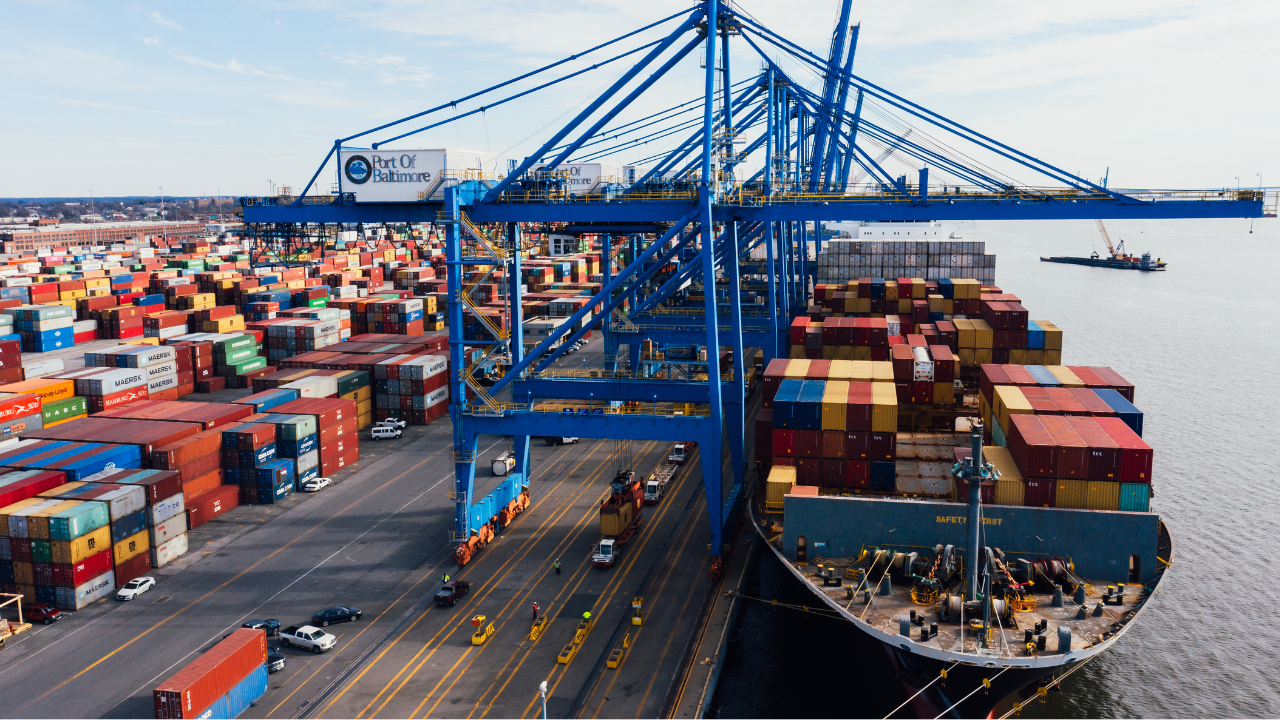
FAS (Free Alongside Ship) looks straightforward: the seller delivers the goods “alongside” the vessel at the port of shipment, and from that moment, the buyer takes over. For importers, this can look like an efficient way to gain earlier control of the supply chain. But here’s the reality—one word, “alongside”, can decide whether your shipment runs smoothly or turns into a series of unexpected costs, disputes, and liability traps.
Under FAS, the seller is responsible for delivering the goods to the port of shipment and placing them alongside the vessel nominated by the buyer. Once the goods are positioned at the dock or on a barge next to the vessel, the seller’s job is complete. From that point, the buyer assumes responsibility for loading, main carriage, insurance, and all risks and costs moving forward.
In short:
- The seller’s obligation ends once the goods are placed alongside the vessel, before loading.
- The buyer then assumes full risk and all subsequent costs.
2. Key Hidden Risks of FAS for Importers
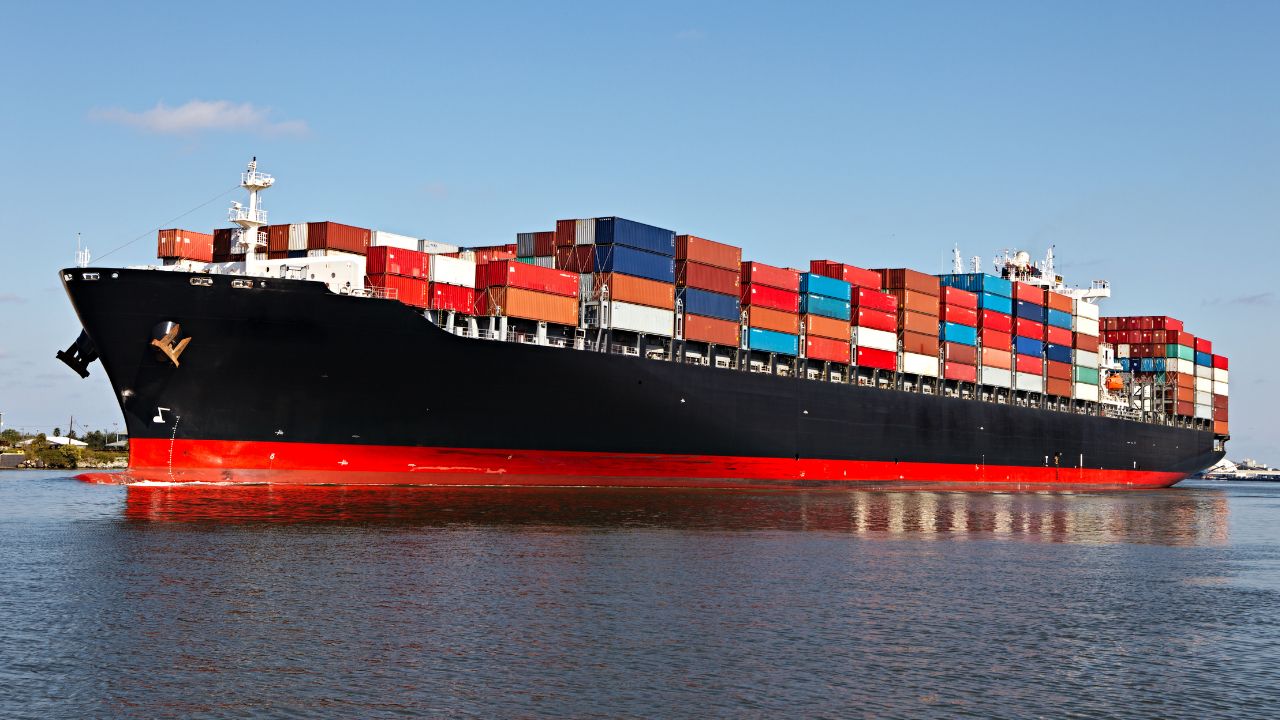
2.1 “Alongside” Isn’t as Simple as It Sounds
Getting cargo “alongside” the vessel often involves Terminal Handling Charges (THC), lighterage (barge fees), and wharfage (port dues). If your sales contract doesn’t explicitly state who pays for these, disputes will arise—and in many cases, importers are surprised with extra invoices before their goods can even be loaded.
2.2. The Grey Zone of Risk Transfer
Risk passes once the goods are placed at the dock, but what if:
- The cargo is damaged while waiting on the quay?
- Does it fall into the water during loading with buyer-arranged cranes?
Under FOB, the seller carries the loading risk until the goods cross the ship’s rail. Under FAS, you, the buyer, carry this uncertainty earlier. This is why FAS exposes you to risks at one of the most fragile stages of the shipment.
2.3. Coordination and Timing Challenges
Under FAS, the buyer must:
- Book the vessel in advance,
- Provide precise loading instructions,
- Ensure the goods are delivered within the terminal’s cut-off time.
Any delay, confusion, or late instruction results in demurrage charges or storage fees, which are entirely the buyer’s responsibility.
3. FAS vs FOB: The Key Difference That Matters
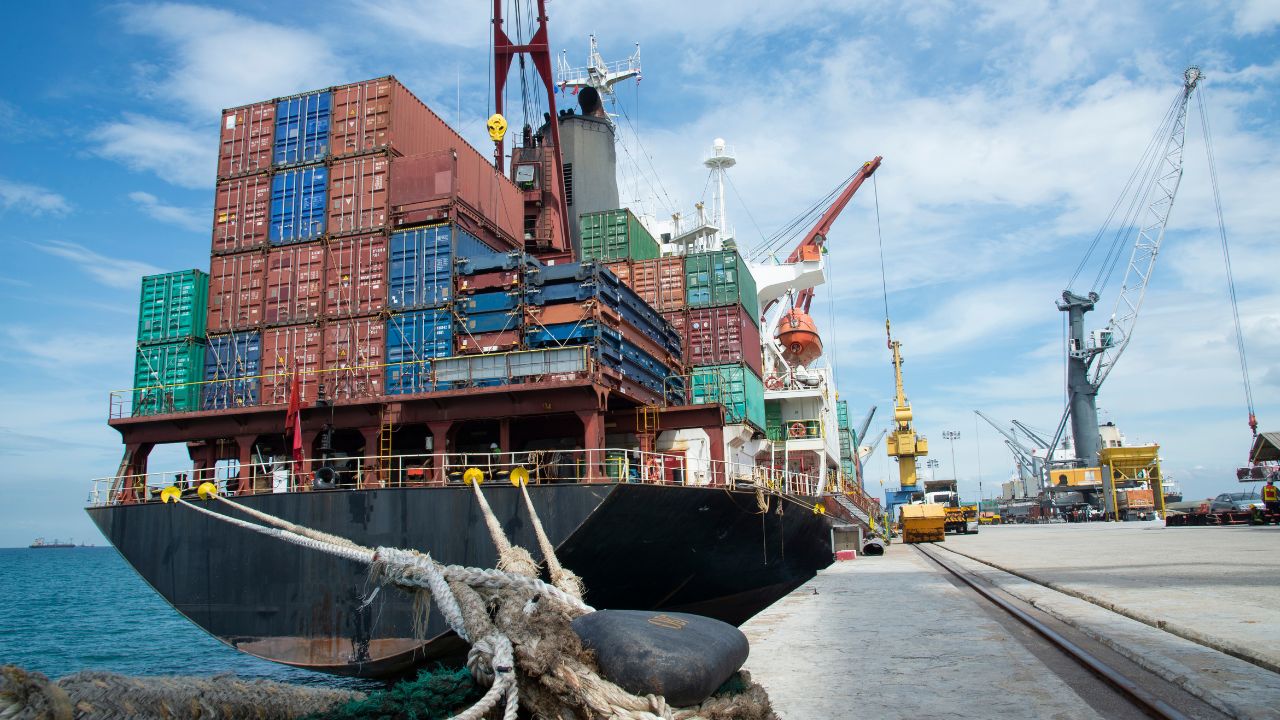
FAS is often compared with FOB (Free on Board). The difference may look small, but it’s critical:
- FAS: Risk transfers once the goods are placed alongside the vessel. Buyer is responsible for loading.
- FOB: Risk transfers only once the goods are safely loaded on board. The seller is responsible for loading.
For buyers, FOB typically offers better protection because the seller bears the risk and cost of loading, a stage where accidents and disputes are common.
FAS makes sense only when you have reliable local agents and want earlier control of port operations.
4. Is FAS Right for You?
4.1 FAS can work if:
- You have strong port-side logistics support.
- You want earlier control over vessel coordination and costs.
- Your cargo is easy to handle and low-risk during loading.
4.2 FAS may be risky if:
- You lack reliable local agents.
- Your cargo requires careful, technical, or costly loading.
You want the seller to bear responsibility until the goods are actually on board.
5. The Advantage of Using FAS
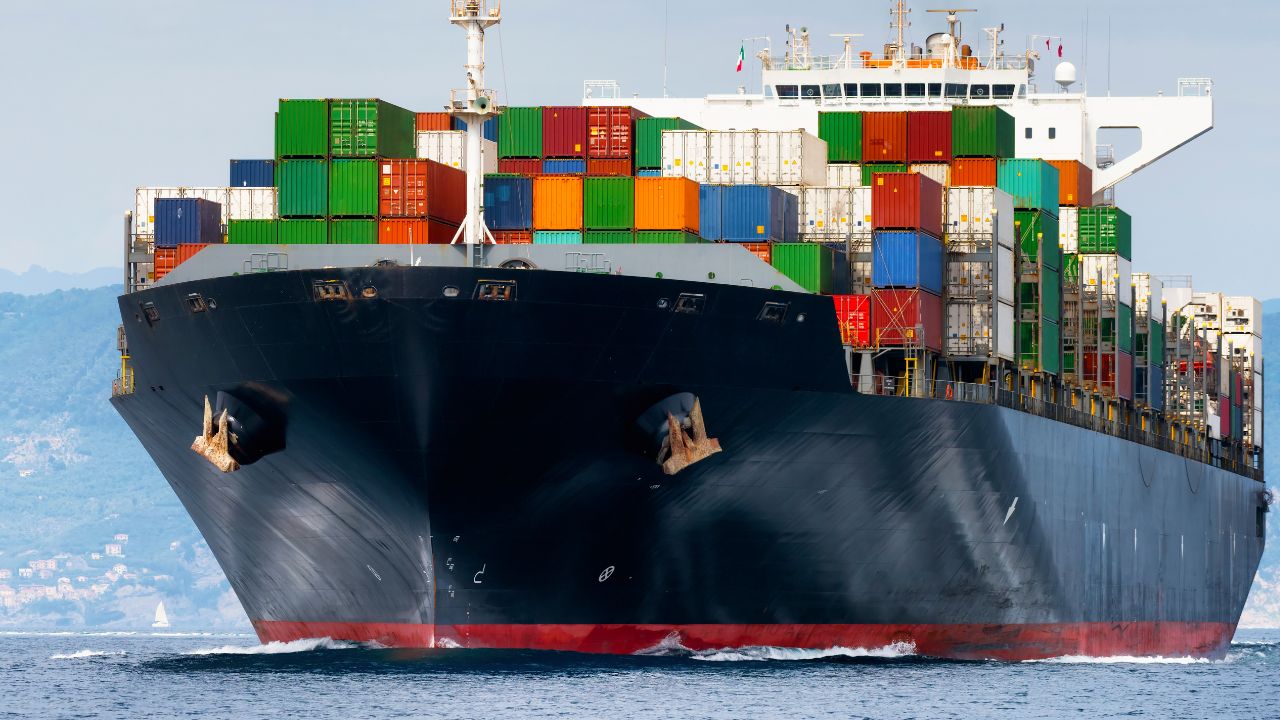
FAS can empower importers who want early control over their shipments—but with that control comes real financial and operational exposure. Terminal fees, risk transfer before loading, and tight scheduling all create pitfalls that inexperienced buyers often underestimate.
Managing these challenges requires more than knowing the rules on paper. It demands on-the-ground expertise to control costs, avoid disputes, and ensure a smooth handover.
That’s where a partner like Bansarship makes the difference. We help importers navigate the complexities of FAS—clarifying cost responsibility, coordinating with port operators, and protecting your cargo through each step.
6. Conclusion: Balancing Control and Liability
Unsure whether FAS is the right Incoterm for your next shipment? Talk to our port logistics experts today and get a clear, tailored plan for your trade needs.

