


Managing inbound logistics has become a daunting challenge, requiring professionalism and optimization of every aspect of the transportation and storage of goods. In this article, we will explore the inbound logistics in more depth and help you find the logistics strategy that is right for your business.
What is Inbound Logistics?
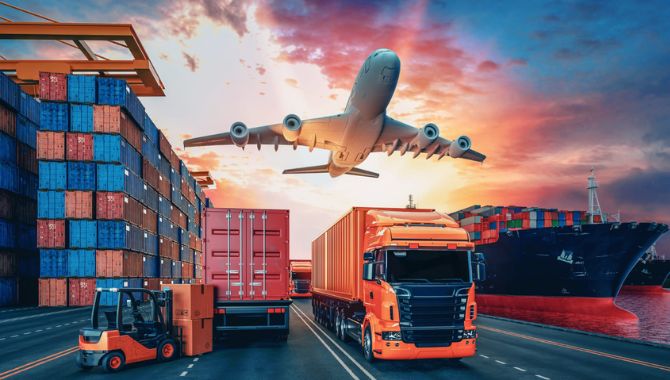
Inbound logistics is a process in logistics, which includes the activities of receiving and storing input materials from the source of supply to your business’s warehouse or production center.
You need to plan production, manage orders, transport, import, quality control, and order processing in this process. In other words, inbound logistics focuses on the activities to bring goods and materials into the production process and manage the supply chain. Managing it effectively can help businesses save costs, improve response time, and increase competitiveness in the market.
This process needs to ensure that input factors such as value, time, and production cost are optimized. These transportation flows need to be strictly monitored so that the production process runs smoothly, with low risk and high efficiency.
The Advantages and Challenges of Inbound Logistics
- When implementing the inbound logistics process well, your business can achieve the following benefits:
The most obvious benefit of an effective inbound logistics process is to optimize the time and cost of transporting goods
You do not have to worry about the problem of a shortage of goods to supply and disrupt the delivery process because the goods are always available to meet the demand in time. Ensure your customers will be satisfied because the goods are delivered quickly and on time.
The effective inbound logistics process allows you to know the quantity of goods in stock, thereby controlling inventory better.
- In addition to its important roles, inbound logistics also poses significant risks and challenges:
Coordinating and communicating with suppliers or carriers can be a big challenge in the inbound logistics process. To avoid this, you need to have a clear setup from the beginning and enhance communication efficiency through information technology applications.
The diversity of goods will also make it difficult for you to control quality. Your business should thoroughly train employees in quality control methods.
Managing accurate and reliable information about goods and their flow of activities will also be a challenge for you. You need to use a smart warehouse management and goods information system to collect, store, and extract information easily.
Why is Inbound Logistics Important for Your Business?

There are many reasons why your business needs to pay more attention to inbound logistics.
Inbound logistics management helps you save costs in the import process, transportation costs, and warehousing and ensure adequate and timely supply, avoiding risks in the import process.
Your business can adapt quickly to the market thanks to the ability to self-adjust the source of goods, production schedule, and product completion time to meet the needs of your customers. This will stimulate the ability of customers to repurchase. Moreover, it also helps you increase competitiveness with other competitors.
The most important thing is that your products will be of the highest quality because you have good control over the input materials. Avoid the possibility of defective products that damage the reputation of the business.
What are the factors affecting inbound logistics?
Globalization has been gradually turning the world into a large corporation reaping the benefits of success. Multinational companies are forming and developing strongly, and regional linkages and economic exchanges are constantly taking place, all of which have had a significant impact on the logistics industry in general and inbound logistics in particular.
The development of information technology also has a major impact on inbound logistics. As online technology creates new shopping channels, it forces businesses to think differently about how to sell products, fulfill orders, and handle returns.
Not only is information technology constantly changing what supply chain organizations do, but new information technology solutions continue to emerge to improve how companies perform those functions.
How does inbound logistics work?
The inbound logistics process begins when you identify the raw materials or components it needs for your production.
It then works with your suppliers to negotiate prices, delivery schedules, and other purchasing contract terms.
Once the raw materials are sourced, you must arrange for shipments from the supplier to the company’s warehouse or factory.
Finally, you must manage inventory to meet production needs.
This requires effective coordination between your business and freight forwarders, customs brokers, and other logistics providers to ensure that goods are delivered on time and in the best condition.
To help you reduce the burden and achieve efficiency in this process, you should cooperate with a reputable and quality shipping party. Bansarchina.com is an optimal shipping service provider specializing in providing solutions for you.
Inbound Logistics Optimization Method
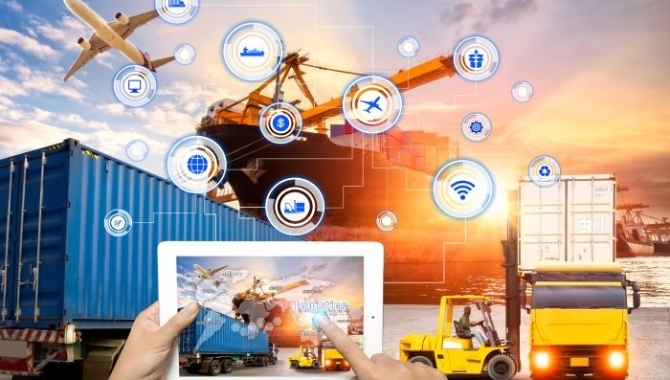
- Building sustainable supplier relationships
Building and maintaining good supplier relationships is a key factor in inbound logistics. A strategic partnership with a supplier not only ensures a stable supply; but also helps businesses negotiate favorable trading terms.
Therefore, you need to focus on the task of building and, above all, nurturing relationships with suppliers. After all, the process of finding new suppliers takes much more time, effort, and cost than the resources needed to build successful relationships with current suppliers. This not only helps improve the efficiency of inbound logistics but also creates a flexible and reliable supply chain.
- Using a modern warehouse management system
Your business needs to invest in a modern warehouse management system to support the control and management of warehouse operations. This will reduce operating costs, allowing your business to calculate inventory levels that meet demand without exceeding or under-performing the market.
In addition, using a modern warehouse management system helps limit the risk of revealing technological secrets or losing a competitive advantage in the market
- Using smart transportation technology
Information technology provides smart transportation solutions, helping to optimize the transportation process and minimize time and costs. Technologies such as GPS positioning, fleet, and driver management systems help businesses track and manage transportation effectively.
New Trends in Inbound Logistics

- Blockchain Technology
The versatility of Blockchain is emerging strongly. Blockchain applications in Logistics help increase transportation efficiency by automating processes and saving time and costs. Combined with transportation management software, Blockchain ensures accurate and efficient transportation management, from monitoring product status to managing incurred costs.
At the same time, Blockchain also helps reduce costs related to facilities such as yards or wharves by creating a transparent and clear storage system.
- Internet of Things (IoT)
The advancement of the Internet of Things (IoT) has gradually replaced the role of humans in logistics operations, helping to reduce labor costs and improve work efficiency. IoT devices, such as sensors and trackers, can monitor the status of goods in real time, from temperature, and humidity to location.
This helps you detect problems early and take timely corrective measures. IoT systems also provide detailed data that helps optimize warehouse and transportation management, improve efficiency, and reduce costs.
- Artificial Intelligence (AI)
AI is increasingly applied in inbound logistics. In the era of Industrial Revolution 4.0, warehouses operate automatically with the integration of AI and IoT, connecting various IoT devices such as ventilation monitoring systems, cooling systems, etc.
This ensures the preservation of goods, security monitoring, fire prevention, and other safety measures. In addition, processing machines and equipment are also automated and integrated with the network system.
Conclusion
To wrap it up, inbound logistics is one of the key factors that lead to the effectiveness of your business operations. This article has compiled for you complete information about Inbound Logistics. Hopefully, with this information, you have gained more knowledge to ensure the supply chain is stable, convenient, and effective.
FAQs:
How does sustainability in inbound logistics impact businesses?
A sustainable inbound logistics supply chain has a direct impact on your brand reputation. Your businesses can greatly increase their value and appeal to consumers by becoming more sustainable. A business with a sustainable supply chain will build solid trust with partners and potential investors. In the new era of increasingly high sustainable values, investors often stay away from companies with bad reputations and without community goals.
What are the key performance indicators (KPIs) for measuring inbound logistics efficiency?
You can use several KPIs to measure the effectiveness of inbound logistics such as shipping costs, lead time, overhead costs, return rates, etc.
How does cost optimization affect inbound logistics?
Financial goals of profit margin and growth are very important in the operations of a business. Optimizing the price in inbound logistics allows you to limit the possible losses in the first stage, thereby creating a reasonably priced product that both satisfies customers and achieves the desired profit.

