


Refrigerated trucks are widely used in transportation. If you are worried about how to choose a refrigerated truck or are concerned with temperature control, this article will help you.
The core components and technologies of refrigerated trucks
- Chassis:
The chassis supports the weight of the refrigerated trucks and fixes the engine. Since there are roadblocks in refrigerated truck transporting goods, sturdy chassis offer stability during transportation.
- Thermal insulation carriage:
The thermal insulation compartment keeps the compartment airtight. It is made up of fully enclosed composite material boards. The board has three layers. The outer and inner boards are fiberglass plates, and the middle layer is polyurethane foam insulation material. This composite material board is obtained by bonding the fiberglass plate and polyurethane foam material together.
The polyurethane foam insulation material has the performance of vibration resistance, which is suitable for refrigerated trucks shipping goods.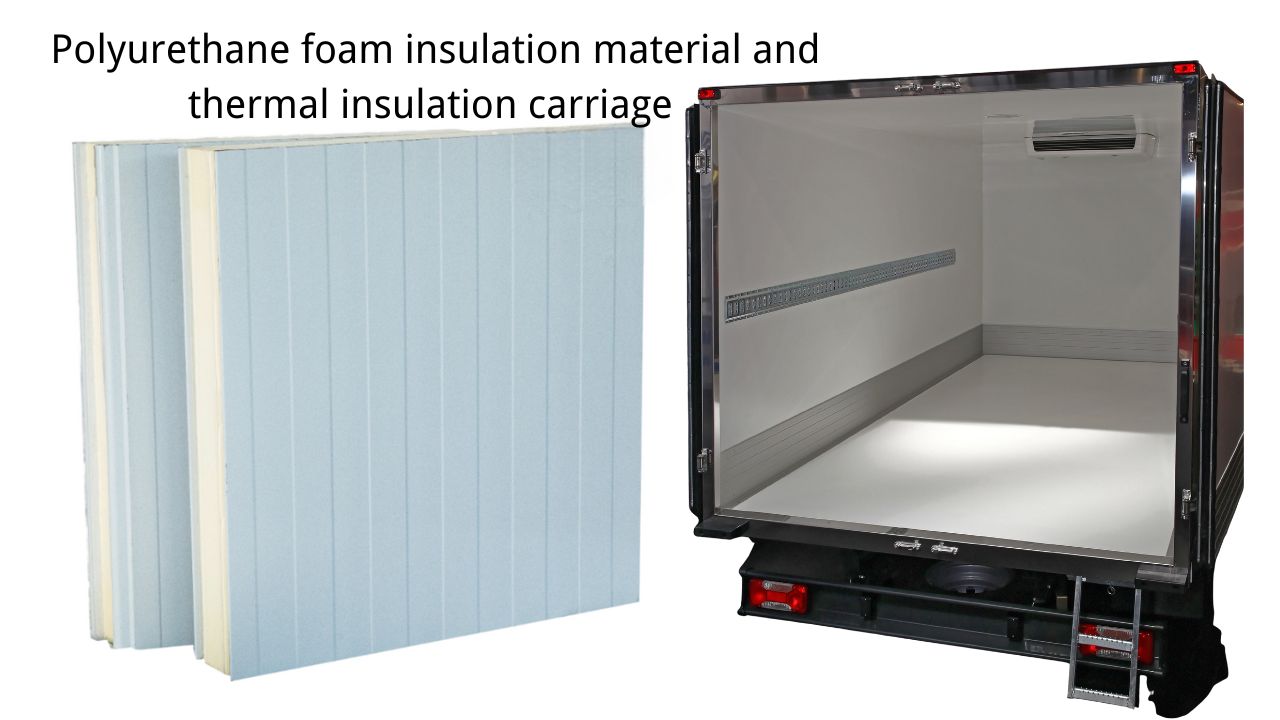
- Refrigeration unit
The refrigeration unit is critical in a refrigerated truck. It has two types of independent unit and non-independent unit. Their difference is the engines. The independent unit is powered by a single diesel engine, which can refrigerate independently. It is suitable for long-distance transport. Even if there is something wrong with the transport, it can ensure the safety of the goods.
The non-independent units are powered by the engine shared with the truck. It is suitable for short-distance transportation. If the engine goes wrong during transport, it is easy to contact a replacement truck.
- Temperature sensor and humidity sensor
The temperature sensor and humidity sensor monitor the temperature and humidity of goods at all times to ensure the goods are in the right condition. When the temperature and the humidity are out of the standard range for 15 minutes, the alarm system will make a sound. Our sensors have a remote real-time monitoring platform, allowing you and our dispatch center to view data simultaneously.
How to choose a refrigerated truck to transport goods
1. Weight
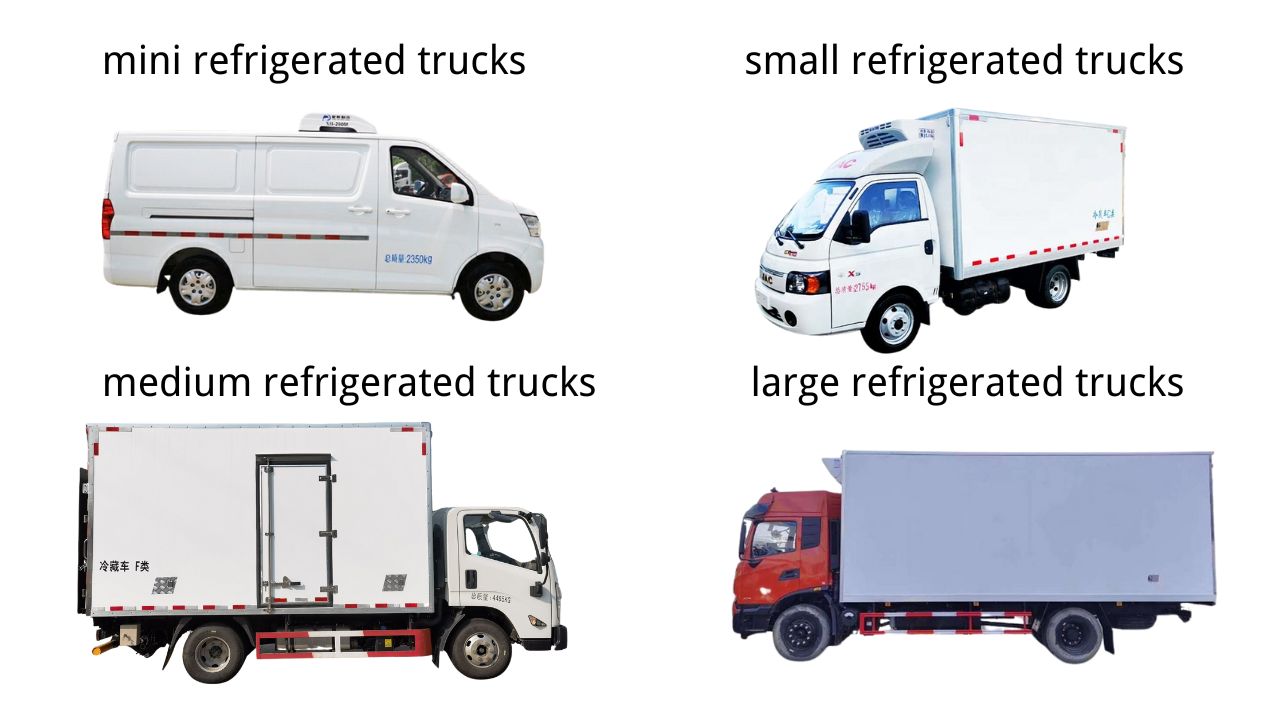
The refrigerated trucks can be typed as mini refrigerated trucks, small refrigerated trucks, medium refrigerated trucks, and large refrigerated trucks according to the weight of goods they can carry. The heavier and bulkier the goods, the larger the refrigerated truck will need to be.
| mini refrigerated trucks | small refrigerated trucks | medium refrigerated trucks | large refrigerated trucks | |
| The length of the carriage | 2-3.5m | 3.6-4.2m | 5-6.8m | >7m |
| The goods’ weight that can be carried | 0.5-1ton | 1-3ton | 3-8ton | >8ton |
| Features | small cargo capacity, High mobility | Relatively small cargo capacity | More cargo capacity, Flexible compared to large refrigerated trucks | Large cargo capacity |
| Suitable distance | Short-distance logistics distribution | Short-distance logistics distribution | Inter-city long-distance transportation and commodity distribution | Long-distance bulk cargo transportation |
2. Temperature for preserving goods
The temperature for preserving goods is important for you to choose a refrigerated truck. Different trucks offer different temperature ranges due to the differences in refrigeration and temperature control equipment. Here are the temperatures that different goods need.
Refrigerated trucks for constant temperature transportation(18℃~22℃):
Foods like chocolate and candy,
Electronic product accessories like semiconductor wafers, lithium batteries, High-end camera sensors, and photoresist;
precision equipment like a Solid-State Drive, a microscope
The United Nations “Dangerous Goods Transport Manual” stipulates that the transportation temperature of lithium batteries must be ≤30℃.
The microscope lens is prone to fogging or coating peeling, so it needs to be placed in a constant temperature carriage.
Refrigerated trucks for refrigerated transportation(0℃~7℃)
Foods like fruits, vegetables, beverages, and fresh dairy products, prepared food products, cakes;
Plants like flowers, grass, saplings;
Medical products like vaccines, Hepatitis B vaccine, influenza vaccine, blood products such as red blood cell suspension, plasma;
Certain reagents, like Chromatographic reagents and blood glucose test strips.
Refrigerated trucks for frozen transportation(-18℃~-22℃)
meat like Beef, lamb, pork, chicken
Seafood like Fish, shrimp, shellfish, etc.
Ice creams and Special brands of chocolate like Lindt Chocolate
Refrigerated trucks for deep frozen transportation(-22℃~-45℃)
Premium Ice Cream: Häagen-Dazs ice cream needs to be transported at -25℃
Dangerous goods: frozen gasoline(UN1203) needs to be installed in an explosion-proof tank. Its temperature is under -30℃.
Premium bread yeast dough.
Refrigerated trucks for ultra-low temperature transportation(under-80℃)
Liquefied gases such as liquid nitrogen, liquid oxygen, and liquid argon
Low-temperature flammable liquids such as refrigerated ethanol
Various samples, such as pathogen samples, tissue samples, and cell samples
If you are not sure which temperature range your goods belong to, please contact our customer service, and you will get a detailed answer.
How do refrigerated trucks transport goods
Different types of goods have different requirements for packaging and temperature, but most requirements for transportation are the same.
Carriage preparation
Before transportation, the inner part of the truck will be cleaned up. We use a soft brush and a plastic shovel to scrape the interior of the truck gently. This step cleans up the goods debris on the inner wall of the truck compartment.
Then we use a disinfectant that complies with food safety standards and doesn’t corrode the interior walls of the carriage. When preparing disinfectant, the concentration of it not only eliminates fungi and bacteria but also is safe to the goods.
We pre-cool the carriage one hour in advance till the temperature of the refrigerated truck is supposed to be similar to the goods. When loading, we shut down the refrigeration unit to ensure the temperature is suitable for the goods, and move goods out of the cold storage warehouse rapidly to prevent the temperature rise.
Loading and unloading
Before loading, the goods are pre-cooled to the specified temperature. Workers all wash their hands and wear protective clothing and masks.
Workers load goods into different refrigerated trucks according to their types. For example, foods like vegetables and fruits are easy to breed bacteria, so they are suitable for loading on the trucks that have high disinfection standards and avoid being placed with other highly polluting goods.
Frozen goods such as meat and seafood are suitable for loading into refrigerated trucks whose temperature control accuracy is low. Accurate temperature control prevents these foods from deteriorating due to melting.
Deep frozen goods have high requirements for the cooling system, so they are suitable for loading into the trucks that have a high-performance refrigeration unit.
When loading the goods, the refrigeration unit stays open to maintain cabin temperature, and workers unload the goods very quickly. When unloading your goods, we take actions to protect your goods. Before unloading, we place a thermal insulation curtain at the entrance of the carriage to prevent the fast loss of cool air.
The bottom floor of the carriage is stacked with double-sided pallets. The distance from the top of the goods to the carriage roof is greater than or equal to 225mm. Around every floor of goods, there is no masking. All these regulations are designed to ensure that the cool air can circulate normally. If there is something blocking the cool air circulating, blocked corners can create unsuitable temperatures for goods.
Route planning
We make up the route planning in advance. We have an intelligent system for weather and route planning, which can monitor the weather and dynamically optimize routes. It ensures your goods avoid unsafe roads and extreme weather.
To ensure the goods are delivered on time, we choose roads where traffic is not heavy. To enhance the safety of transportation, the roads that are under construction are not considered. When driving through mountainous areas, drivers will avoid rough trails and back roads.
Real-time monitoring:
Every carriage has temperature and humidity sensors. These sensors record data on temperature and humidity every 15 minutes. Once the data exceeds the limit, the driver will receive an alarm sound. Then the driver contacts professionals and adjusts the temperature and humidity immediately.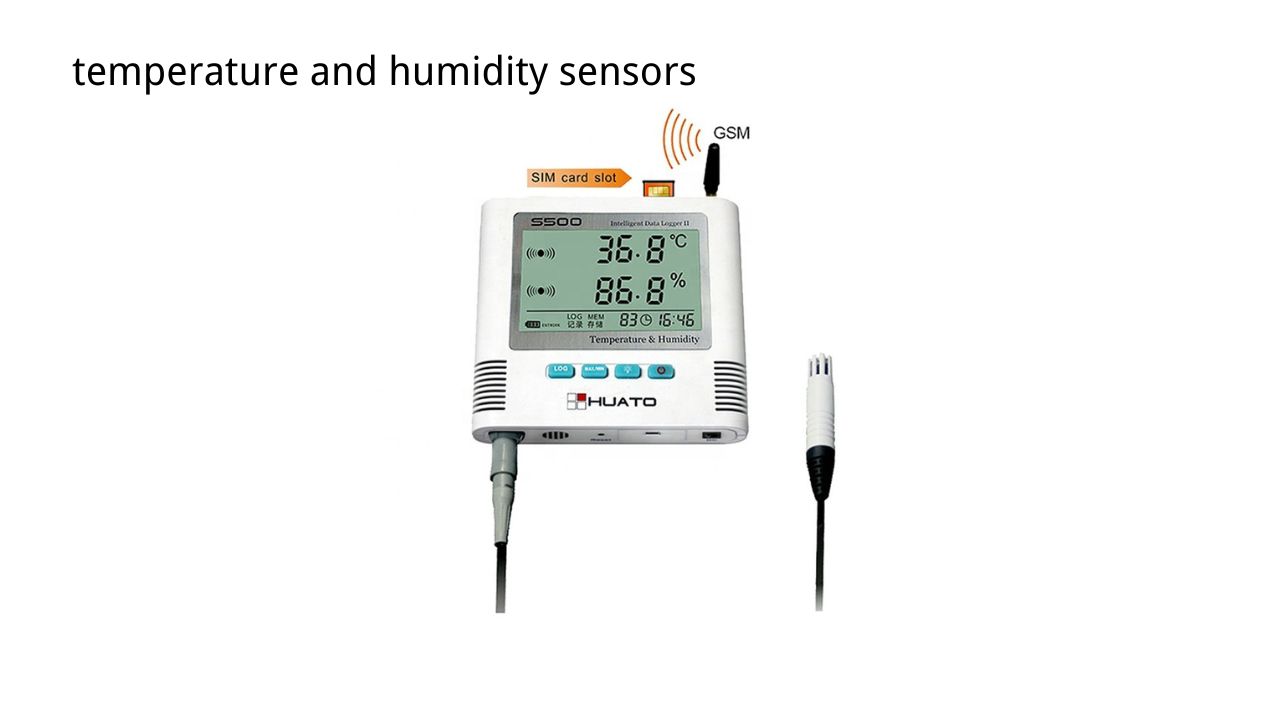
The tips that using refrigerated trucks for transporting goods
- The refrigerated units need to be maintained regularly. On the one hand, regular maintenance avoids the situation where refrigerated units go wrong when driving. On the other hand, it can maintain good refrigeration capacity and extend its service life.
- Ventilation slots are easy to block and influence the ventilation effect, which is important for goods that need to be fresh.
- The original carriage is the best. If the refrigerated truck is equipped with a purchased separately carriage, its later maintenance will be troublesome.
- Refrigerated goods and frozen goods are separated. The refrigerated goods have requirements for ventilation, so it is packaged in a ventilated packaging box. Frozen goods are not suitable for ventilation because ventilation will cause them to lose water, so it is packaged in a closed packaging box.
- If conditions permit, you can choose refrigerated trucks that have hooks on the side and top of the box. If your goods have many types and need to be transported in one same time, you can choose a multi-door refrigerated truck.
- According to the FDA, the temperature difference between different shelves must be less than or equal to 3℃.
FAQ
How to maintain a refrigerated truck?
The core of a refrigerated truck is the refrigerated unit, so maintaining the refrigerated unit matters most to the truck. The refrigeration unit is maintained and serviced every 500~700 hours. We replace its oil filter, fuel filter, and air filter, and if the refrigeration system has something wrong. Then we check out the firmness of the parts.
Does the transportation of a refrigerated truck require transit?
Whether the refrigerated truck transmits depends on the transportation routes. We will try our best to choose a direct truck for you according to the road conditions and truck schedule. A direct refrigerated truck is the fastest, but its price will be 15-20% higher than a transfer truck.
What should I prepare to ship dangerous goods with a refrigerated truck?
If you have dangerous goods to transport, please submit a reefer application. We will communicate with you about the situation of the dangerous goods and arrange refrigerated trucks and drivers that meet the standards.
What insurance should I buy for my goods?
The insurance depends on the type of goods. If your goods have high value, you can choose insurance with wide coverage. If your goods are not valuable, basic refrigeration insurance is enough.

