


Understanding the distinction between an NVOCC and a freight forwarder is crucial for controlling logistics costs, securing reliable vessel space, and managing shipment liability. Yet, many businesses still find the difference unclear — and end up choosing a generic solution that doesn’t truly fit their shipping needs.
This article provides a detailed explanation of the differences between NVOCCs and freight forwarders.
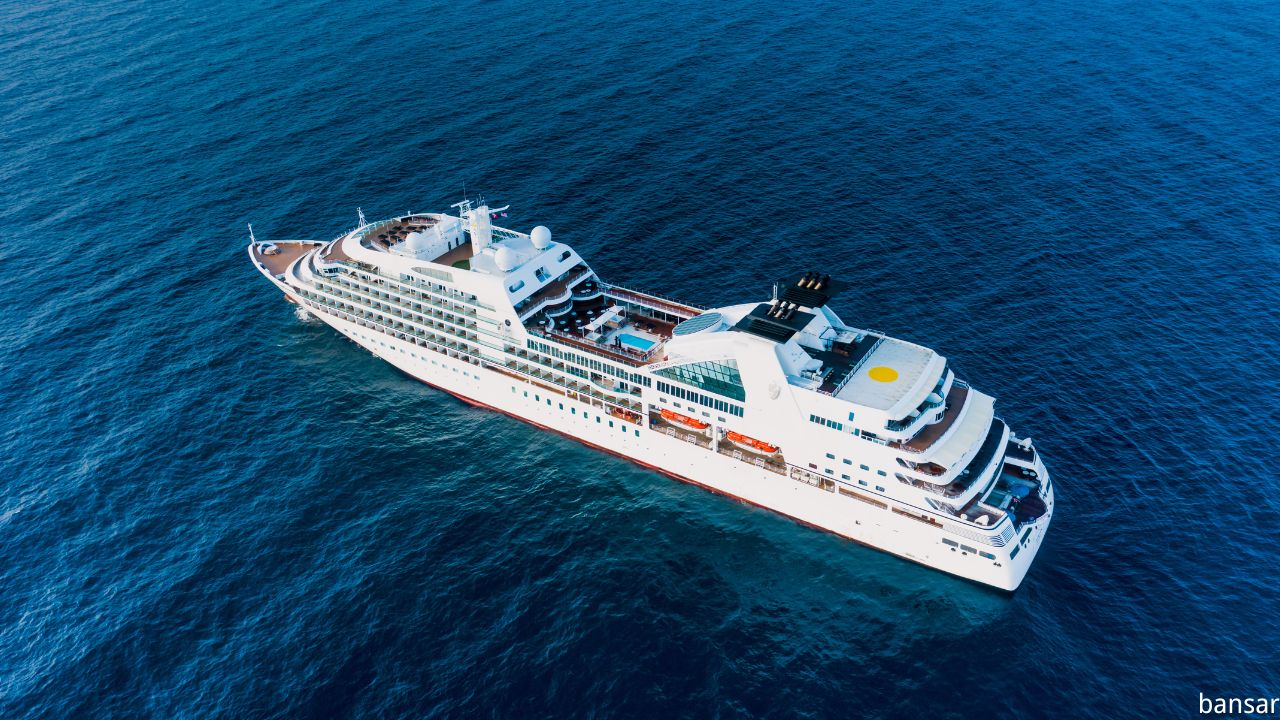
What is NVOCC?
Some people always think that NVOCC is a carrier without ships — and that’s pretty accurate.
NVOCCs don’t own vessels, but they act like a carrier in the eyes of the law. They buy space directly from major shipping lines — think COSCO, MSC, Maersk — and then sell that space to shippers under their own Bill of Lading, called the House B/L.
Here’s what that really means:
Once you book with an NVOCC, your contract is with them, not the shipping line. If something goes wrong — container damage, short shipment, rolled cargo — you don’t chase the vessel operator; you deal with the NVOCC. They carry the same liability as a carrier, even though they don’t physically own the vessel.
This setup gives NVOCCs a lot of leverage. They can negotiate space in bulk, get better freight rates, and sometimes even guaranteed slots during peak seasons — something a small or mid-sized exporter could never get directly.
In short, an NVOCC plays the carrier’s game without owning the ship. They manage the sea leg directly, issue their own documents, and take on the carrier’s responsibility. That’s what makes them powerful — and also, legally accountable.

What is Freight Forward?
While NVOCCs focus mainly on the ocean leg, freight forwarders extend their control beyond the port — into the full logistics chain. If the NVOCC is a “carrier without a ship,” then the freight forwarder is more like a logistics architect — the one who plans, coordinates, and keeps the whole shipment running smoothly from door to door.
A good forwarder doesn’t just move containers. They design shipping solutions. From the moment your goods leave the factory to the moment your customer signs for them overseas, the forwarder is the person making sure every step connects — booking, trucking, customs, documents, and delivery.
Unlike NVOCCs, freight forwarders don’t issue their own carrier-level Bills of Lading (unless they also hold an NVOCC license). They usually use the carrier’s Master B/L or issue a forwarding B/L as a service record. That means they don’t take on the same legal responsibility as a carrier — but they do handle everything else.
If you’ve ever worked with a professional forwarder, you’ll notice one thing: they’re problem solvers.
Bad weather delays the vessel? They reroute.
Destination port changes regulation change overnight? They adjust paperwork.
Factory needs a last-minute pickup? They arrange trucking before you even finish explaining.
Freight forwarders tend to work across multiple transport modes — sea, air, rail, and road — because most international supply chains aren’t purely ocean-based anymore. That flexibility makes them ideal for businesses that need multimodal or small-batch shipments, like e-commerce sellers or cross-border manufacturers.
So, while the NVOCC controls space and liability, the freight forwarder controls timing and coordination. They make international trade less about stress and more about visibility.

NVOCC vs Freight Forwarder: Key Operational Differences
Although NVOCCs and freight forwarders may seem similar in daily operations, their roles diverge sharply when it comes to legal standing, liability, and operational control.
An NVOCC acts as a contractual carrier. It issues its own House Bill of Lading (HBL), purchases vessel space in bulk, and assumes full responsibility for the cargo during the sea leg. When an incident occurs — such as container damage, short shipment, or delay — the NVOCC bears the carrier-level liability toward the shipper. In this sense, it stands in the same position as a shipping line, even though it does not own or operate any vessel.
A freight forwarder, in contrast, operates as the shipper’s agent. The forwarder does not own space on a vessel but arranges it on behalf of the client through carriers or NVOCCs. Its core expertise lies in coordination — managing different transport modes, documentation, and customs processes — to create a seamless logistics flow. The forwarder’s legal responsibility typically ends at ensuring proper arrangement and documentation, not the physical carriage itself.
Here’s how this difference affects businesses in practice:
Control and Capacity
NVOCCs hold pre-booked capacity with major carriers, often at negotiated contract rates. This gives them stronger control over vessel space during peak seasons. Freight forwarders rely on NVOCCs or carriers for capacity and are more flexible in combining modes of transport or routes.
Liability and Risk
The NVOCC carries the same legal obligations as a carrier. It is responsible for cargo loss or damage under its own HBL. Freight forwarders, meanwhile, bear a lower level of liability — mainly for coordination errors or documentation issues.
Service and Responsibility
Forwarders focus on end-to-end logistics — inland pick-up, customs clearance, consolidation, warehousing, and delivery. NVOCCs focus on port-to-port freight control and vessel operations.
Customer Profile
Large exporters or importers with consistent shipment volumes benefit from NVOCC contracts, as they ensure rate stability and guaranteed space. Small or mid-sized traders, or those with variable shipment volumes, often prefer freight forwarders for their flexibility and multi-modal solutions.
Below, we use a table to give you a more intuitive introduction:
| Aspect | NVOCC | Freight Forwarder |
| Legal Role | Acts as a carrier | Acts as an agent |
| Bill of Lading | Issues own House B/L | Uses carrier’s or forwarding B/L |
| Liability | Carrier-level responsibility | Agent-level responsibility |
| Control Over Space | Reserves and manages contracted slots | Relies on NVOCC or carriers |
| Ideal Clients | OEMs, high-volume exporters | SMEs, traders, e-commerce shippers |
The most practical difference comes down to control and accountability:
- If you want guaranteed capacity and a single point of liability, go with an NVOCC.
- If you prefer flexibility, multiple transport modes, and customized support, a freight forwarder may suit you better.
In recent years, the line between NVOCCs and freight forwarders has become increasingly blurred.
Many logistics providers now integrate both roles, supported by digital booking systems, visibility platforms, and long-term carrier partnerships.
This hybrid model allows them to combine the space control of an NVOCC with the end-to-end flexibility of a freight forwarder — offering shippers faster, more transparent, and cost-efficient solutions.
FAQ
Is Every Freight Forwarder Also an NVOCC?
No. While some companies hold both licenses, most freight forwarders operate as agents. Only officially registered NVOCCs can issue their own House Bills of Lading and assume carrier-level liability.
Which One Offers Better Rates — NVOCC or Freight Forwarder?
It depends. NVOCCs often secure better rates on specific trade lanes due to bulk space contracts. Freight forwarders, however, can combine different modes (air, sea, land) to find the most cost-efficient or time-saving option.
Can an NVOCC Provide Door-to-Door Service?
Yes. Many NVOCCs cooperate with freight forwarders or operate their own logistics networks to provide complete door-to-door solutions, including inland transport, warehousing, and customs clearance.
Conclusion
Choose Bansar as your logistics partner, and we’ll start from your real shipping needs — selecting the most suitable routes, carriers, and cost structures to ensure your cargo arrives safely, on time, and cost-effectively.

