


Are you a new importer or exporter who doesn’t even know what Incoterms are? Whether your business uses ground freight or maritime freight, you have to learn about the rules and terms involved. Let’s begin with a brief introduction, then I’ll tell you about the five most basic and important Incoterms.
What Are Incoterms?
Incoterms is the shorthand for International Commercial Terms. It was published by ICC, the International Chamber of Commerce, in 1936. ICC periodically updates the Incoterms to catch up with the changing trade practices. The Incoterms have been playing an important role in promoting global commerce.
Although Incoterms are recognized all over the world, they don’t have to be obeyed; their function is to clarify buyers’ and sellers’ responsibilities to avoid unnecessary loss. Which terms will be chosen is up to you and your collaborator’s negotiation.
The 5 Basic Incoterms Most Used
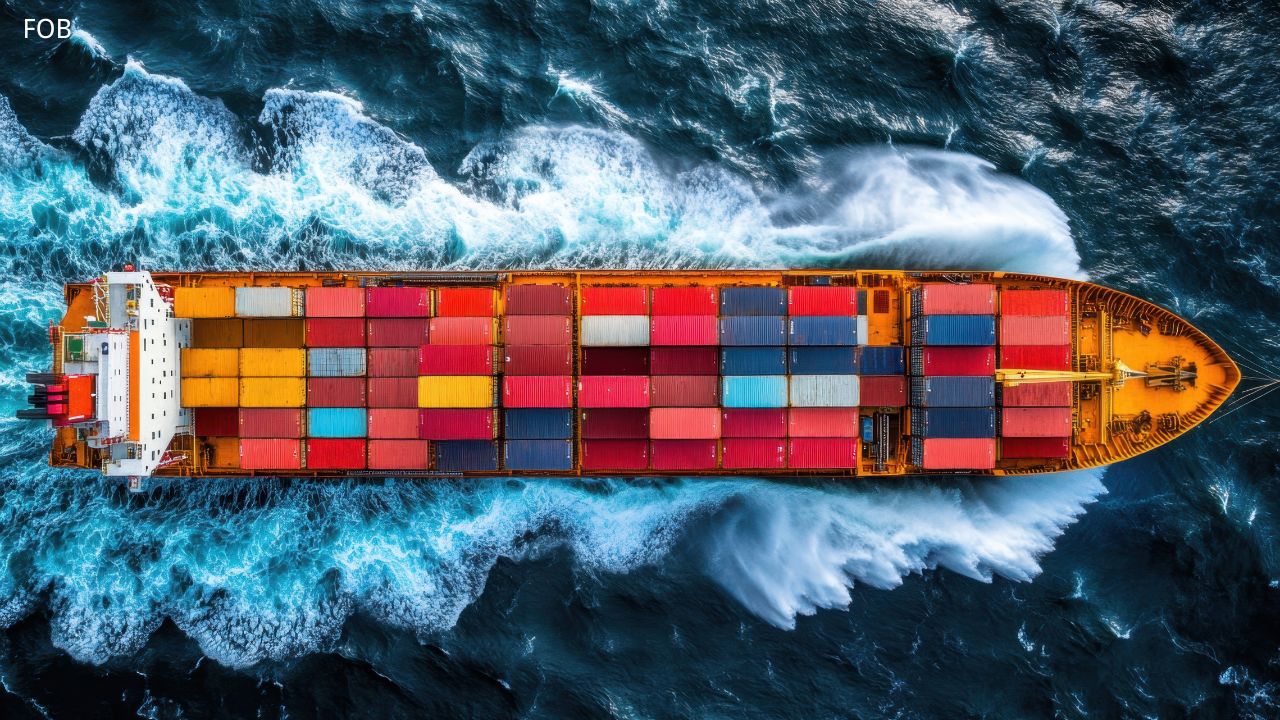
1.FOB(Free on Board)
Literally speaking, FOB can only be applied to maritime freight. The seller transports the goods to the port and puts them on board; the buyer takes over after that and pays for shipping costs. If you want buyers and sellers to take fair responsibility, choose FOB as your trade term. FOB can be further divided into two different types according to which side bears the major costs of transport.
FOB Shipping Point: the seller sends the goods to the port, and on the designated ship, the buyer is burdened with responsibility, including maritime freight, after that.
FOB Destination: The seller bears responsibility until the goods reach the predetermined destination; the buyer takes the risk and costs after that.
Advantage: Buyers can control the shipping process and see the actual cost of the goods more clearly. For sellers, they can control the goods before transportation if the buyer delays payment.
Disadvantage: For buyers who lack global logistics experience, it will be challenging for them to arrange transport and important paperwork. For sellers, they may need to bear extra port storage costs if the ship is late.
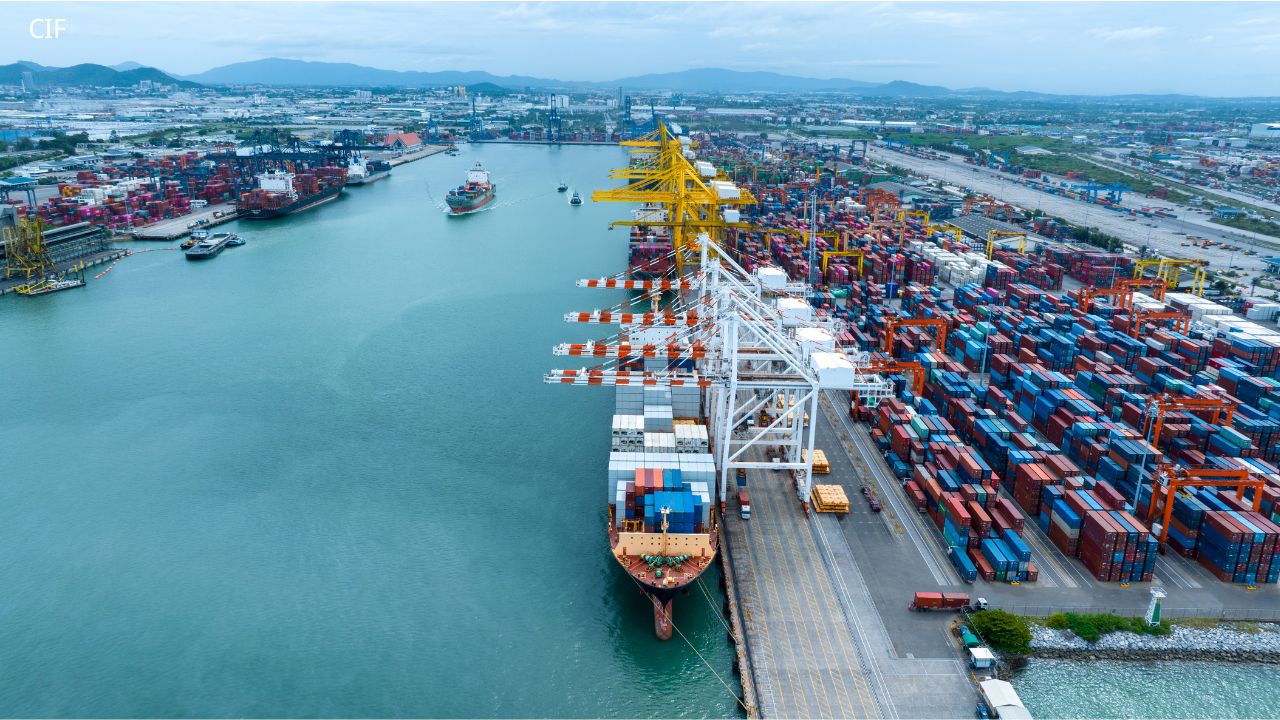
2.CIF(Cost, Insurance, Freight)
CIF is only available on sea shipment. If the seller needs to offer more protection for the buyer or the seller was asked to pay for the freight and insurance in advance, buyers and sellers usually choose CIF. The seller takes responsibility until the goods arrive at the destination port; the buyer takes control after that.
If you are a new importer or have a small quantity of goods, CIF will be the best choice, you won’t have to go through the complex process, but you should know that you will have to pay more than the value of the goods, as the seller will add the costs, and there will be more problems if you choose bulk purchase.
Advantage: For small transactions, using CIF can simplify the process and save the buyer and the seller’s effort.
Disadvantage: CIF only requires the minimum insurance, which can’t cover all risks.
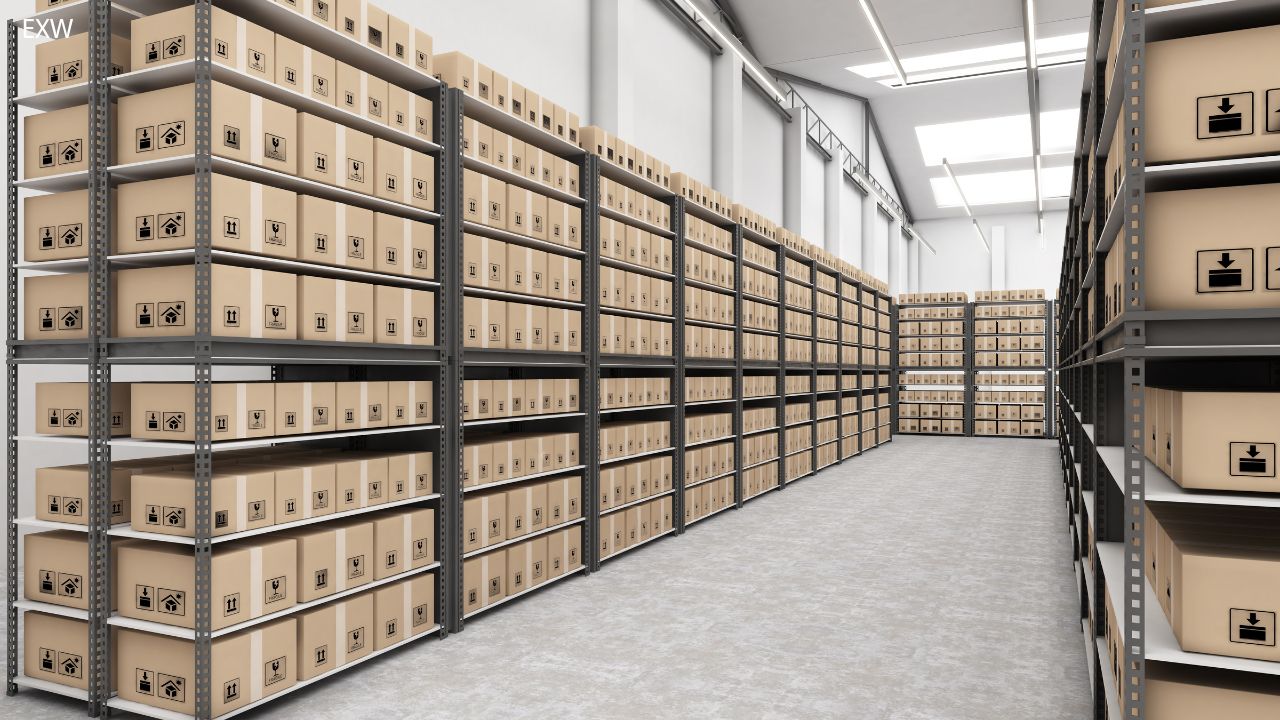
3.EXW(Ex Works)
When it comes to multimodal transportation, EXW is the easiest choice for sellers, in this Incoterm, the seller only needs to prepare the goods, the buyer takes all the responsibility including transport, customs clearance and delivery, but it doesn’t mean that there are no requirement for the seller, the seller have to pack and label goods carefully and help the buyer get required paperwork, but the seller don’t have to pay for anything during this period, the cost is still beared by the buyer.
Advantage: The seller can focus on production, and the buyer can arrange for the goods from different suppliers delivered to the same warehouse and transport them together to save logistics costs.
Disadvantage: Sometimes, sellers will be asked to assist with customs clearance, and this may add an additional burden to sellers.
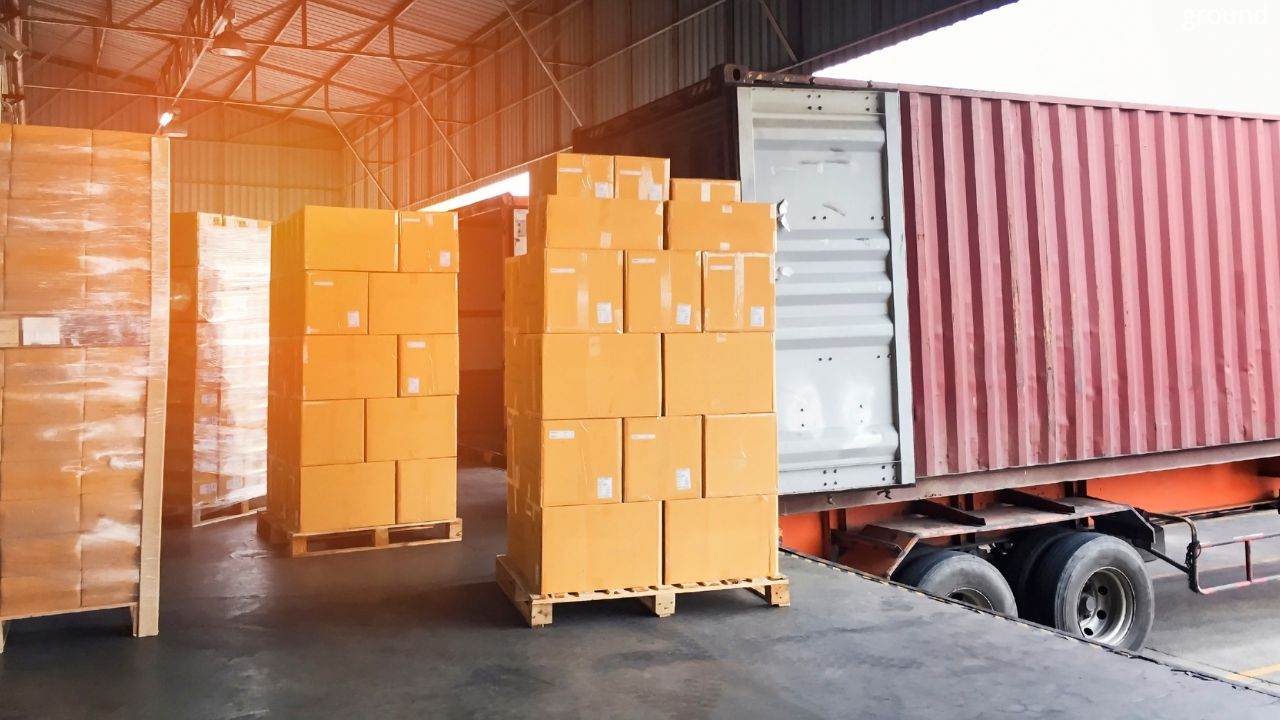
4.DAP(Delivered at Place)
DAP is applicable to cross-border ground, maritime, air freight, and all other transportation modes. In DAP, the seller has to deliver the goods to the location agreed in advance, like the buyer’s facility, and bear all costs and risks during the transportation. The buyer reduces a lot of burden, but still has to pay for the costs of important duties, insurance, taxes, and customs clearance, except for the goods; but in some cases, the buyer can negotiate with the seller and require the seller to pay for the insurance.
Advantage: The seller’s goods can be more attractive to the buyer under DAP, which will promote their cooperation.
Disadvantage: Although it’s the buyer’s responsibility to arrange import customs clearance, the seller still has to bear the delay costs if the buyer fails to finish the customs clearance in time.
5.DDP(Delivered Duty Paid)
DDP is the opposite of EXW, the most convenient option for the buyer; the only thing the buyer needs to do is to wait for the goods and provide accurate information about the shipping address and regulations. The seller takes full responsibility from transport to paperwork (duties, taxes, customs clearance). DDP is available for all kinds of transportation.
Attention: purchasing insurance is not included in the seller’s responsibility; if not assured, the buyer can reach an agreement with the seller. In practical operation, most sellers choose to buy insurance; after all, they have to bear risks and costs during transportation.
Advantage: The seller can provide one-stop service and simplify the purchasing process, which will be helpful if the seller wants to enhance brand image.
Disadvantage: The buyer may have to pay for all costs included in the price of the goods. The seller has to bear all the transport and taxes in advance, which is a big pressure.
Conclusion
Importers or exporters, buyers or sellers, whoever you are, learning Incoterms is very important. For instance, the latest version of Incoterms was updated in 2020; following this update, security costs changed a lot. Incoterms have a great impact on business costs, so we should always keep an eye on them.
FAQ
1. Does the insurance bought by the seller under CIF cover all risks?
No, the insurance bought by the seller under CIF only covers the minimum. The buyer has to communicate with the seller in advance and pay for the additional cost if wants comprehensive protection.
2. What’s the difference between FOB Destination and CIF?
Although the seller has to deliver the goods to the destination under both FOB Destination and CIF, there is an essential difference between them. Under FOB Destination, the buyer is responsible for the insurance; under CIF, the seller is responsible for arranging insurance.
3. Who is responsible if the goods are stuck at the factory due to the seller failing to help the buyer with export customs clearance under EXW?
The buyer. Under EXW, the buyer is solely responsible for export customs clearance; the seller only needs to prepare the goods. If the buyer needs assistance from the seller, it has to be agreed upon in the contract.

